

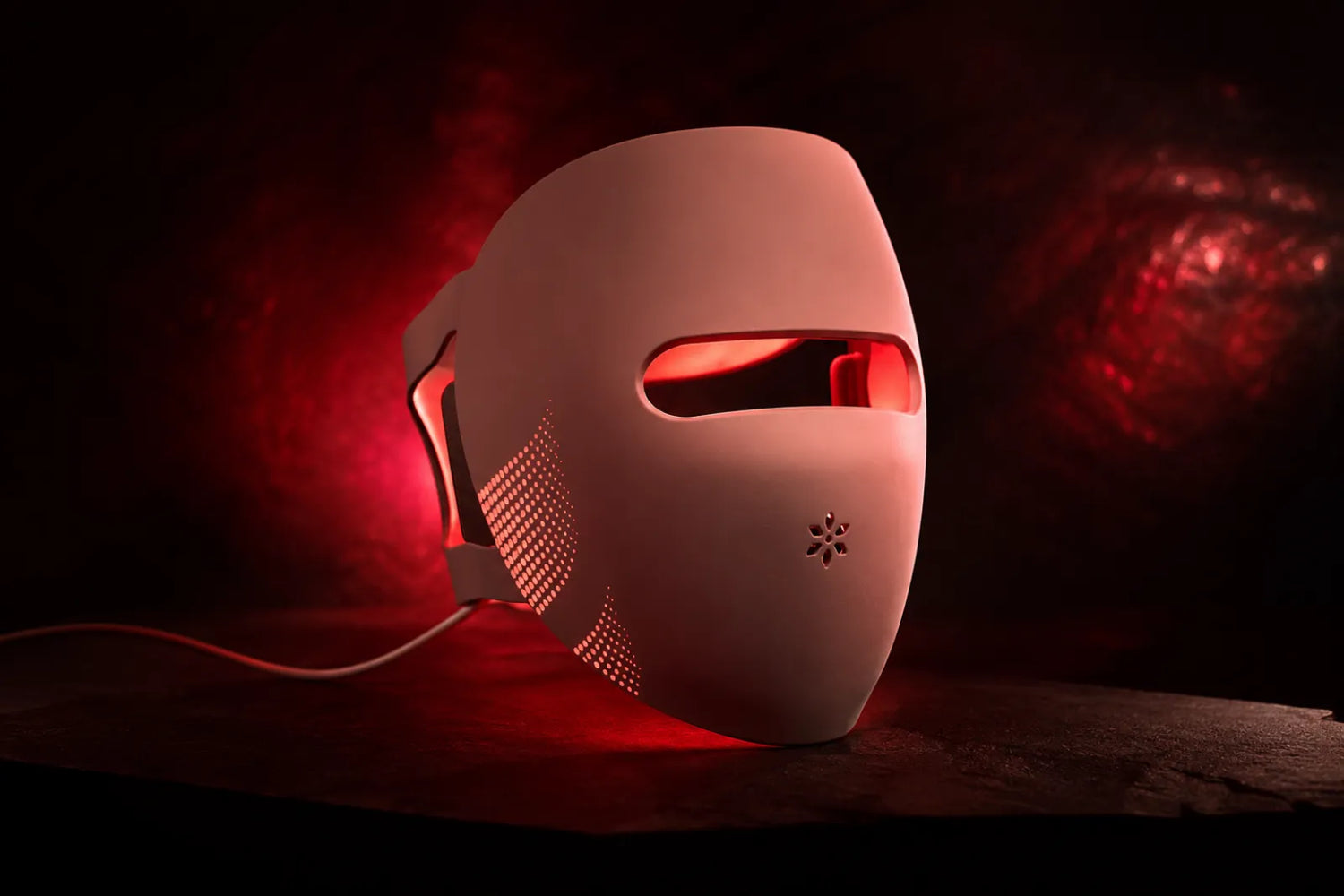
Red light therapy has become one of the most popular at-home wellness tools in the UK, but if you're new to it, one question matters more than any other: is it actually safe? The short answer is that red light therapy is widely considered very safe and non-invasive for most people, with no recovery time and no known serious side effects at normal home-use doses. That said, "safe for most people" isn't the same as "right for everyone", so this guide gives you the honest detail: the mild side effects that can occur, who should take extra care, and how to use it sensibly.
Is Red Light Therapy Safe?
For the majority of healthy adults, yes. Red light therapy (also called photobiomodulation) uses specific wavelengths of red and near-infrared light, typically around 660nm and 850nm. Crucially, this is not UV light, so it does not burn the skin, cause tanning, or carry the skin-cancer risk associated with sun exposure or sunbeds. It works by gently supporting your cells rather than heating or damaging tissue, which is why it's considered low-risk and suitable for regular use.
It is non-invasive, drug-free, and does not require downtime. Most people can use a quality home device daily without issue. The points below are about being sensible and informed, not about red light therapy being dangerous.
Possible Side Effects
Side effects are uncommon and generally mild and short-lived. The ones occasionally reported include:
- Temporary redness or warmth in the treated area, which usually settles quickly after a session.
- Mild eye strain or headache, most often linked to looking directly into bright LEDs without eye protection (see eye safety below).
- Short-term skin sensitivity, particularly if sessions are too long or too frequent when first starting out.
- Tightness or dryness in some people, easily managed by moisturising after a session.
These effects are typically a sign to ease back on session length or frequency rather than to stop altogether. Because photobiomodulation follows a biphasic dose response (more is not better), gentle, consistent sessions are both more effective and less likely to cause irritation than long, intense ones.
Who Should Take Extra Care or Check With a Doctor First
Red light therapy is well tolerated, but if any of the following apply to you, it's sensible to speak to a healthcare professional before starting. This is precautionary, not a list of strict bans.
- Pregnancy. There isn't enough research on red light therapy during pregnancy to give firm guidance, so it's best to check with your midwife or doctor first.
- Photosensitive conditions or epilepsy. If you have a condition that makes you sensitive to light, discuss it with your doctor before use.
- Light-sensitising medications. Some medicines increase your skin's sensitivity to light, including certain antibiotics, some acne treatments and retinoids, and some herbal supplements such as St John's Wort. If you take anything that carries a photosensitivity warning, check with your GP or pharmacist.
- Active or undiagnosed skin lesions. Don't treat moles, spots, or patches of skin that are changing, bleeding, or undiagnosed. Get them checked by a professional first.
- A diagnosed medical condition. If you're managing a specific health condition or have recently had a medical or aesthetic procedure, a quick word with your doctor is the safe approach.
If your doctor gives you the go-ahead, introduce red light therapy gradually and see how your skin and body respond.
Eye Safety
The light itself is not UV, but the LEDs in a quality device are bright, so it's wise to protect your eyes. With panels, don't stare directly into the light, and use the eye protection many devices include or recommend. Most LED face masks are designed to be comfortable to wear with the eyes closed and are generally fine without separate goggles, but if you ever feel eye strain, close your eyes fully or look away from the light. If you have an existing eye condition, check with your optician or doctor.
How to Use Red Light Therapy Safely
Sticking to sensible habits keeps red light therapy both safe and effective:
- Follow the recommended session length. Around 10 to 20 minutes per area is plenty. Longer is not better.
- Keep frequency reasonable. Daily use is fine for most people, but you don't need multiple long sessions a day.
- Use it on clean, dry skin. Remove makeup and heavy creams so the light isn't blocked, and so products don't react under the warmth.
- Mind the distance. For panels, sit roughly 15 to 30cm away. Masks, belts, wraps and mats are designed for close or direct contact.
- Ease in. If you have sensitive skin, start with shorter sessions and build up.
Is It Safe for Daily and Long-Term Use?
For most people, yes. Red light therapy is designed to be used regularly, and its benefits are cumulative, building with consistent use over weeks. There's no need to "cycle off" it, though taking the occasional rest day is perfectly fine. The key is moderation: sensible session lengths, a few times a week up to daily, rather than marathon sessions.
Safety by Device Type
All Lumovex devices use the same non-UV red and near-infrared wavelengths and are built for safe home use:
- Face masks like the Spectrum Pro Mask and Spectrum Pro Mask + Neck are worn with the eyes closed and shaped for comfortable, hands-free facial sessions.
- Panels such as the Pro Panel 540 and Portable Panel are best used at a sensible distance, without staring into the light.
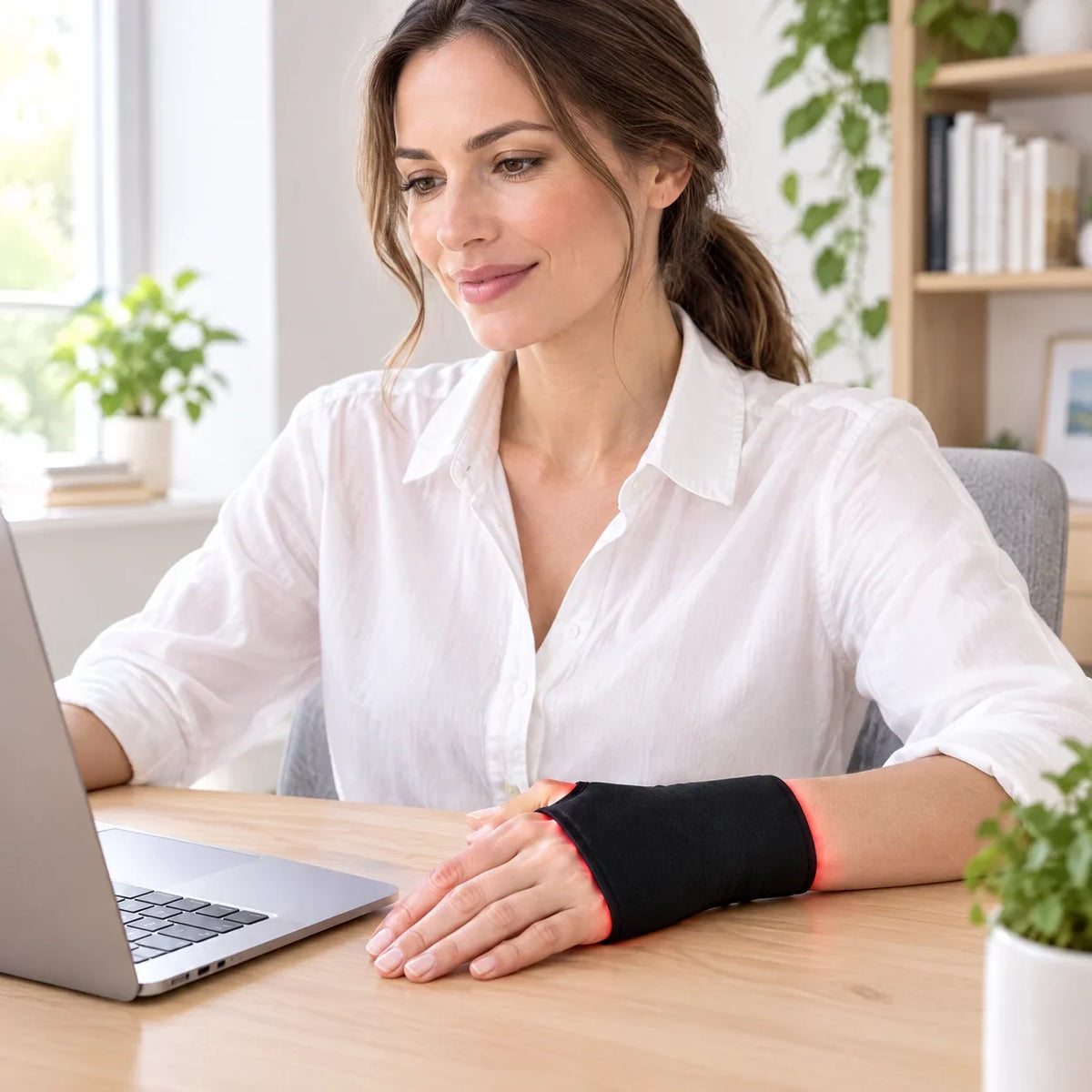
- Wraps and contact devices like the Recovery Belt, Wrist Strap and Total Recovery Mat sit against the skin and keep the light away from the eyes entirely.
- The Sculpt Wand is for small, targeted spots and is easy to control precisely.
Frequently Asked Questions
Does red light therapy have side effects?
For most people, none of note. Occasionally there can be mild, temporary redness, warmth, or eye strain if you look into bright LEDs without protection. These are usually a sign to shorten or space out sessions, not to stop.
Is red light therapy safe to use every day?
Yes, daily use is considered safe for most people, as long as you keep each session to a sensible length (around 10 to 20 minutes per area). It does not use UV light, so it won't burn or tan the skin.
Is red light therapy safe during pregnancy?
There isn't enough research to say for certain, so the safe approach is to check with your midwife or doctor before using it while pregnant.
Can I use red light therapy if I take medication?
Most medications are fine, but some increase your skin's sensitivity to light (certain antibiotics, some acne treatments and retinoids, and supplements like St John's Wort). If your medication carries a photosensitivity warning, check with your GP or pharmacist first.
Do I need to wear goggles?
With bright panels it's wise to use eye protection or simply not stare into the light. Most face masks are comfortable to wear with the eyes closed and generally don't require separate goggles.
Can red light therapy cause skin cancer?
No. Red and near-infrared light is not UV light, which is the type linked to skin cancer. That said, never treat undiagnosed or changing moles or lesions, and get anything suspicious checked by a professional.
The Bottom Line
Red light therapy is a safe, non-invasive, and well-tolerated wellness tool for most people, with only mild and uncommon side effects. The sensible approach is simple: use a quality device, stick to recommended session lengths, protect your eyes around bright light, and check with a healthcare professional first if you're pregnant, take light-sensitising medication, or are managing a medical condition. Used that way, it's one of the lowest-risk additions you can make to a skincare or recovery routine.
Ready to start safely? Explore the full Lumovex range, all built for safe, effective home use.
Disclaimer: This article is for general information only and is not medical advice. Red light therapy devices are general wellness products, not medical devices, and are not intended to diagnose, treat, cure, or prevent any disease. If you have any health concerns, consult a qualified healthcare professional.



Leave a comment
This site is protected by hCaptcha and the hCaptcha Privacy Policy and Terms of Service apply.