

Last updated: June 2026 · UK aftercare guide · Always check with the practitioner who treated you before starting any at-home device.
The short answer
Red light therapy (sometimes called LED light therapy) is one of the most common at-home tools UK aesthetic clinics suggest to support skin recovery after non-surgical procedures such as Botox, dermal fillers, microneedling, chemical peels and laser facials. It is non-thermal, non-ablative and gentle, which is why clinics frequently use in-house LED panels themselves after treatments. The right timing depends on the procedure, the depth of treatment and what your practitioner advises. This guide walks through each of the five most common UK procedures, where LED fits in the recovery window, and how to choose a home device that complements your clinic results.
Why aftercare matters more than the procedure itself
A non-surgical aesthetic treatment is usually finished in 20 to 60 minutes. The recovery window that follows is often 2 to 12 weeks. What happens in that window decides whether you get the result you paid for, how long it lasts, and how comfortable your skin feels along the way.
Most UK aesthetic practitioners will give you a written aftercare plan. It usually includes:
- Gentle, fragrance-free skincare for a set number of days
- Strict sun protection, often SPF 50 daily
- No retinoids, AHAs, BHAs or vitamin C until the skin barrier recovers
- No exercise, sauna or hot showers for 24 to 72 hours depending on the procedure
- In many cases, a suggestion to use LED light therapy at home to support recovery
That final point is where this guide focuses. Red light therapy uses low-level light, typically red and near-infrared wavelengths, that is absorbed by the skin without heat. It is one of the few tools that clinics consistently rate as low-risk after sensitive procedures, which is why post-procedure LED panels are now standard kit in most modern UK aesthetic clinics.
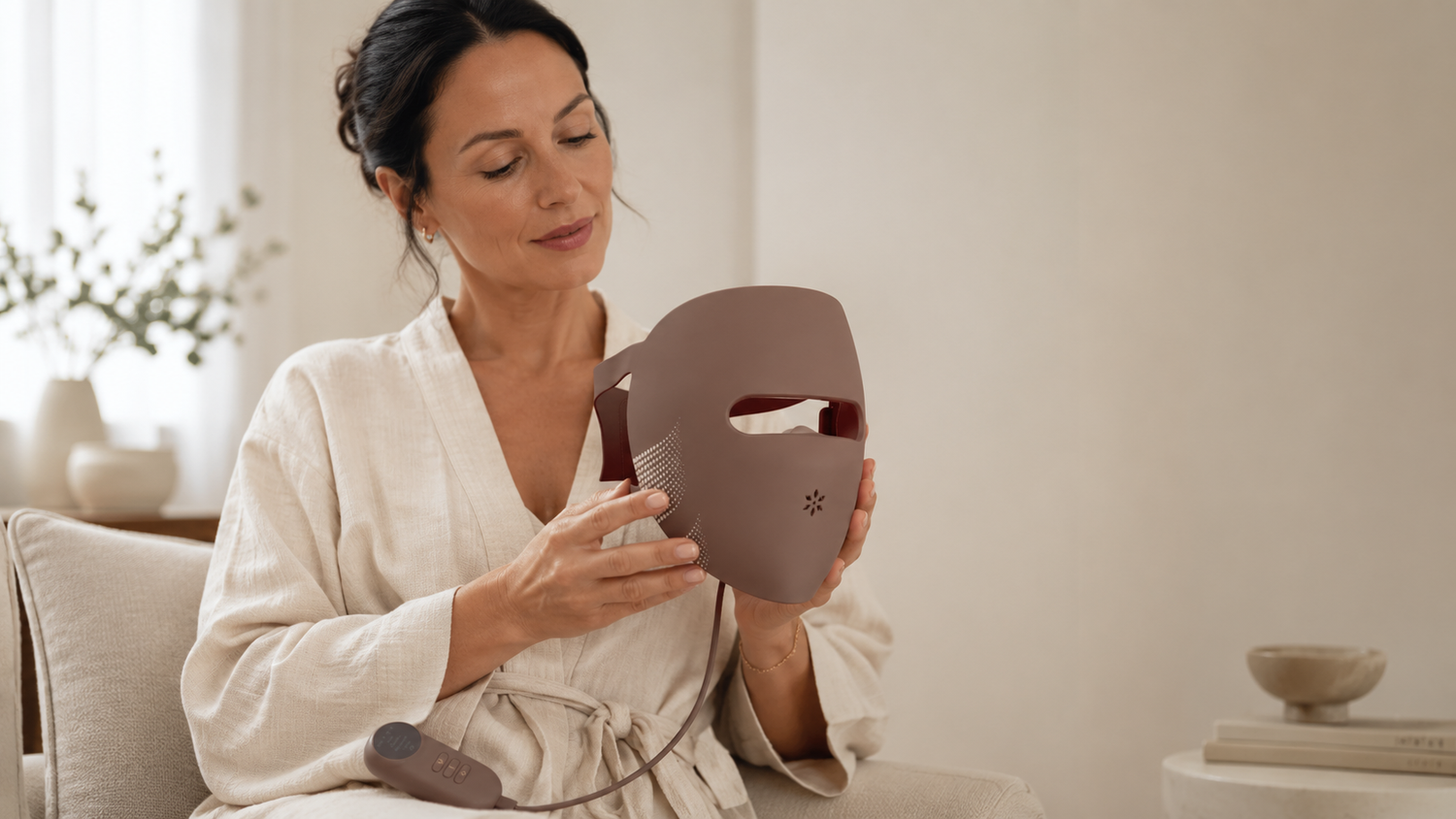
Bringing that same approach home, in a wearable format, is what devices like the Spectrum Pro LED Mask are designed to do.
The five most common UK procedures
Before we look at LED timing, here is a quick refresher on what each procedure actually does to the skin. The recovery profile is very different in each case, which is why the LED protocol should be different too.
| Procedure | What it does | Typical downtime | Skin response |
|---|---|---|---|
| Botox / anti-wrinkle | Relaxes specific facial muscles via injection | None to 24 hours | Pinprick marks, occasional small bruise |
| Dermal fillers | Adds volume using hyaluronic acid gel | 1 to 7 days | Swelling, occasional bruising, tenderness |
| Microneedling | Tiny needles create controlled micro-injuries | 2 to 7 days | Redness, pinpoint bleeding, dryness, flaking |
| Chemical peel | Acid solution exfoliates upper skin layers | 2 to 14 days depending on depth | Tightness, redness, visible peeling |
| Laser facial | Targeted light energy treats tone, texture or pigment | 1 to 10 days depending on type | Redness, swelling, sometimes scabbing |
The depth and intensity differ, but the underlying recovery question is the same: how do you support the skin as it returns to its calm, hydrated baseline? Red light therapy is one of the tools that fits this brief because it is gentle, non-thermal and works with the skin rather than against it.
Red light therapy after Botox
Botox and similar anti-wrinkle injections work by relaxing specific facial muscles. The skin itself is not significantly disrupted apart from a few pinprick entry points and the occasional small bruise.
When to start LED: Most UK aesthetic practitioners are comfortable with patients using LED light therapy from around 24 to 48 hours after the injection, once any tiny puncture sites have closed. Some clinics use in-house LED panels on the same day to help calm post-injection redness. Always confirm timing with the clinician who treated you.
Why LED suits this stage: LED is non-thermal and does not require pressure, massage or product contact with the injection sites. That makes it one of the few skin-supportive tools that does not interfere with the cardinal Botox rule of "no facial massage, no heat, no inversion for 24 hours".
What to avoid: No heat-based devices for 24 to 48 hours. No pressing the mask firmly into the face. No saunas, hot yoga or facial steamers for at least the first day.
For ongoing maintenance between Botox top-ups, a daily 10-minute LED routine becomes part of the same conversation as your long-term skin and ageing strategy. Always check with your practitioner before adding any device.
Red light therapy after dermal fillers
Dermal fillers add volume using hyaluronic acid gels placed in the deeper layers of the skin. The recovery is usually slightly longer than Botox because there is more swelling and more potential for bruising.
When to start LED: Most UK practitioners suggest waiting 48 to 72 hours after fillers before bringing LED into the routine, although some same-day clinic LED protocols exist. Wait longer if there is significant bruising. Confirm with your injector.
Why LED suits this stage: Once initial swelling has settled, red light may support the skin's calming response without applying pressure to filler sites. LED is non-thermal, so there is no risk of warming the filler material itself.
What to avoid: Avoid pressing or massaging the treated areas with a mask. A hands-free wearable LED device that sits on the face without manipulating tissue is generally preferred over hand-held devices that require pressure during use.
If your practitioner treated both face and neck, an upgrade to the Spectrum Pro Mask plus Neck covers both areas in the same session. Ask your clinic which areas they treated and whether LED is appropriate for each.
Red light therapy after microneedling
Microneedling, sometimes called collagen induction therapy, uses very fine needles to create controlled micro-injuries in the skin. The treatment is now one of the most popular non-surgical procedures in the UK because of its track record for supporting tone, texture and collagen.
When to start LED: This is the procedure where LED is most strongly associated with in-clinic aftercare. Many UK aesthetic clinics include an LED panel session in the same appointment, immediately after the microneedling pass, because the skin barrier is open and responsive. At home, most practitioners are comfortable with daily LED from 24 hours after treatment, sometimes sooner if the clinic has already used LED on the day.
Why LED suits this stage: The micro-channels close within hours, but the skin remains slightly pink, sensitive and primed for several days. LED is non-irritating, non-product-based and does not require skincare actives. It is one of the few aftercare tools that can sit comfortably alongside a "do less" recovery brief.
What to avoid: No active skincare (retinoids, exfoliating acids, vitamin C) for the days your clinic specifies. Use only the gentle barrier products your aesthetician recommends. Strict SPF 50 every morning.
Microneedling on the face often pairs with separate sessions on the neck, decolletage or body. For body recovery (back, stretch marks, larger areas) a full-coverage device such as the Pro Panel 540 may be more practical than a face mask. Always follow your clinic's protocol first.
Red light therapy after chemical peels
Chemical peels use acid solutions (glycolic, salicylic, mandelic, TCA, lactic and others) to exfoliate the upper layers of the skin. Depth ranges from gentle high-street salon peels to medium-depth clinic peels with visible flaking for up to two weeks.
When to start LED: Most UK practitioners suggest waiting until the active peeling phase has finished before introducing any device at home. For a light peel this may be 3 to 5 days. For a medium peel, 7 to 14 days. Your clinician will give you a specific window.
Why LED suits this stage: Once the skin has stopped flaking, the underlying layer is fresh, sensitive and very responsive. LED at this stage is commonly used to support the skin's calming response and is one of the few additions that does not destabilise the newly revealed skin barrier.
What to avoid: Do not start LED while the skin is actively peeling. Avoid all active skincare until your clinic clears you. Strict SPF 50 daily. The new skin is highly sensitive to UV and pigmentation risk is meaningfully higher during this window. This is one of the most important moments in the year to be careful with sun exposure, especially if you live somewhere with strong summer light.
If your peel was specifically targeted at uneven tone or dark spots, the hyperpigmentation guide covers the longer-term part of the routine.
Red light therapy after laser facials
Laser facials sit on a wide spectrum, from gentle IPL and Clear and Brilliant treatments through to fractional resurfacing. Recovery profiles differ enormously between these.
When to start LED: Always practitioner-led. Some laser treatments are paired with in-clinic LED on the same day. Others require at least 5 to 7 days before any device contact at home. Ablative or fractional laser recovery in particular is not the moment to make your own decisions. Follow the protocol your laser specialist gives you.
Why LED suits this stage: When timing is appropriate, red light therapy is one of the most commonly suggested at-home tools after laser because it is non-thermal and does not add further energy to the skin. The combination of in-clinic laser plus at-home LED maintenance is a frequent recommendation from UK aesthetic practitioners.
What to avoid: No heat. No active skincare. No exfoliation. Strict SPF 50. Avoid pressing any device onto the skin while it is still healing.
For UK readers, the most important thing about laser aftercare is patience. The instinct to "help things along" is the biggest risk factor for prolonged redness, pigmentation and disappointment with results.
The non-negotiables, whatever the procedure
Across all five procedures, the same handful of rules apply. These are not LED-specific. They come straight from UK aesthetic clinic aftercare protocols.
- Practitioner approval first. Always confirm with the person who treated you before adding any home device, regardless of what general guides say.
- SPF 50 every single morning, even when it is cloudy. Sun damage is the single biggest threat to clinic results, especially after peels, laser and microneedling.
- Gentle, fragrance-free skincare for the duration of your clinic's recovery window. Avoid retinoids, AHAs, BHAs and vitamin C until cleared.
- No heat. No saunas, no hot yoga, no facial steamers, no hot showers on the face for the first 24 to 72 hours depending on procedure.
- Sleep on your back for the first 1 to 3 nights after fillers or face microneedling, to reduce pressure on treated areas.
- Hydration matters. Drink water. Use a barrier-supporting moisturiser. Do not skip hyaluronic-acid serums unless your clinic specifies.
- Trust the timeline. Most aesthetic results show their best version 2 to 6 weeks after the procedure. Do not judge the outcome on day three.
Choosing an at-home LED device after a clinic procedure
The most useful at-home LED device is the one you will actually use every day for the four to six weeks that matter most to your recovery. With that in mind, here are the criteria UK aesthetic patients tend to prioritise:
- Hands-free and wearable. A wearable LED mask sits on the face without requiring pressure or massage, which matters significantly after fillers and microneedling.
- Both red and near-infrared light. Most home-use research uses red light around 630 to 660 nanometres for the upper layers of the skin and near-infrared around 830 to 850 nanometres for deeper tissue. Devices offering both wavelengths cover the broader recovery brief.
- Short, simple sessions. 10-minute daily routines are realistically completed. 30-minute protocols quietly stop happening by week two.
- Face plus neck coverage if your clinic treats both. Most UK injectable and microneedling appointments now treat face and neck together. A mask that includes neck coverage avoids the need for two separate sessions.
- UK-based brand and warranty. Aftercare windows are unforgiving. A UK warranty and UK customer support matter when something needs sorting quickly.
The Lumovex Spectrum Pro Mask is designed around exactly this brief: hands-free, dual-wavelength, 10-minute routine, UK-based brand with a 2-year warranty and 30-day returns. For patients whose clinic treats face and neck together, the Mask plus Neck bundle covers both in the same session. For body-area recovery, the Pro Panel 540 is a more practical fit.
For a broader overview of how LED devices compare across the UK market, the honest comparison guide walks through Lumovex alongside CurrentBody, Shark, Omnilux, INIA and Bon Charge, or you can browse our red light therapy devices to compare formats side by side.
Frequently asked questions
Is it safe to use an LED mask the same day as Botox?
Most UK practitioners ask patients to wait at least 24 hours, and avoid any device that presses on the face for that first day. Some clinics use their own in-house LED panel on the same day. Always check with the practitioner who treated you.
How long after microneedling can I use a home LED mask?
Most aesthetic clinics are comfortable with LED from 24 hours after treatment, and some include LED in the appointment itself. The exact window depends on how deep the microneedling pass was. Follow your clinic's specific protocol.
Can red light therapy replace what my clinic does?
No. At-home LED is a maintenance tool that may support recovery between clinic appointments. It is not a replacement for in-clinic procedures.
Do I still need SPF if I am using red light therapy at home?
Yes. SPF is non-negotiable after any aesthetic procedure that affects the skin barrier (peels, laser, microneedling). LED does not reduce the need for daily sun protection.
Is it safe to use LED after a chemical peel while my skin is still peeling?
Most UK practitioners suggest waiting until the active peeling phase has finished, then introducing LED on calm, fresh skin. For a light peel that is often 3 to 5 days. For a medium peel, 7 to 14 days. Your clinic will give you a specific window.
Can I use LED after laser hair removal?
Most laser hair removal practitioners are comfortable with LED from 24 to 48 hours after treatment on the body, once any redness has settled. Always confirm with the clinic that treated you, especially for facial laser hair removal.
Will LED help reduce bruising from fillers?
Some patients use LED in the days after fillers as part of a calming routine. We cannot promise specific outcomes on bruising. Ask your injector whether they suggest LED, arnica or topical treatments for your specific case.
How often should I use an LED mask after a procedure?
A common at-home routine is 10 minutes daily for 4 to 6 weeks after the procedure, then 3 to 5 times per week for maintenance. Follow your practitioner's specific guidance first.
Can I use LED if I have permanent makeup or microblading?
Most practitioners are comfortable with LED once the brow or lip area has fully healed (usually 4 to 6 weeks). Avoid LED directly over the area while it is still healing. Check with the technician who treated you.
Is at-home LED the same as the panel my clinic uses?
Clinic LED panels are typically larger, more powerful and used under professional supervision. At-home LED devices are designed for daily maintenance use and use lower light levels suited to unsupervised home use. The two are complementary rather than identical.
The bottom line
Red light therapy is one of the gentlest tools available to support skin recovery after non-surgical aesthetic procedures. It is non-thermal, low-pressure, easy to fit into a daily routine, and frequently suggested by UK aesthetic clinics as part of a longer-term maintenance plan.
The right device, the right timing and the right aftercare basics (SPF 50, gentle products, patience) are the three things that decide how well your clinic results last. LED is the supporting cast member, not the headline. Treated that way, it can be a quietly useful addition to a UK aesthetic patient's home routine.
If you would like to see the device most UK readers buy after this guide, start with the Spectrum Pro LED Mask or the Mask plus Neck bundle, or browse the full range of red light therapy devices to compare formats. Always run your specific procedure and timing past the practitioner who treated you before starting any new home device.
This guide is for information only and is not medical advice. Always follow the specific aftercare protocol given to you by the clinician or practitioner who performed your procedure.




Leave a comment
This site is protected by hCaptcha and the hCaptcha Privacy Policy and Terms of Service apply.