

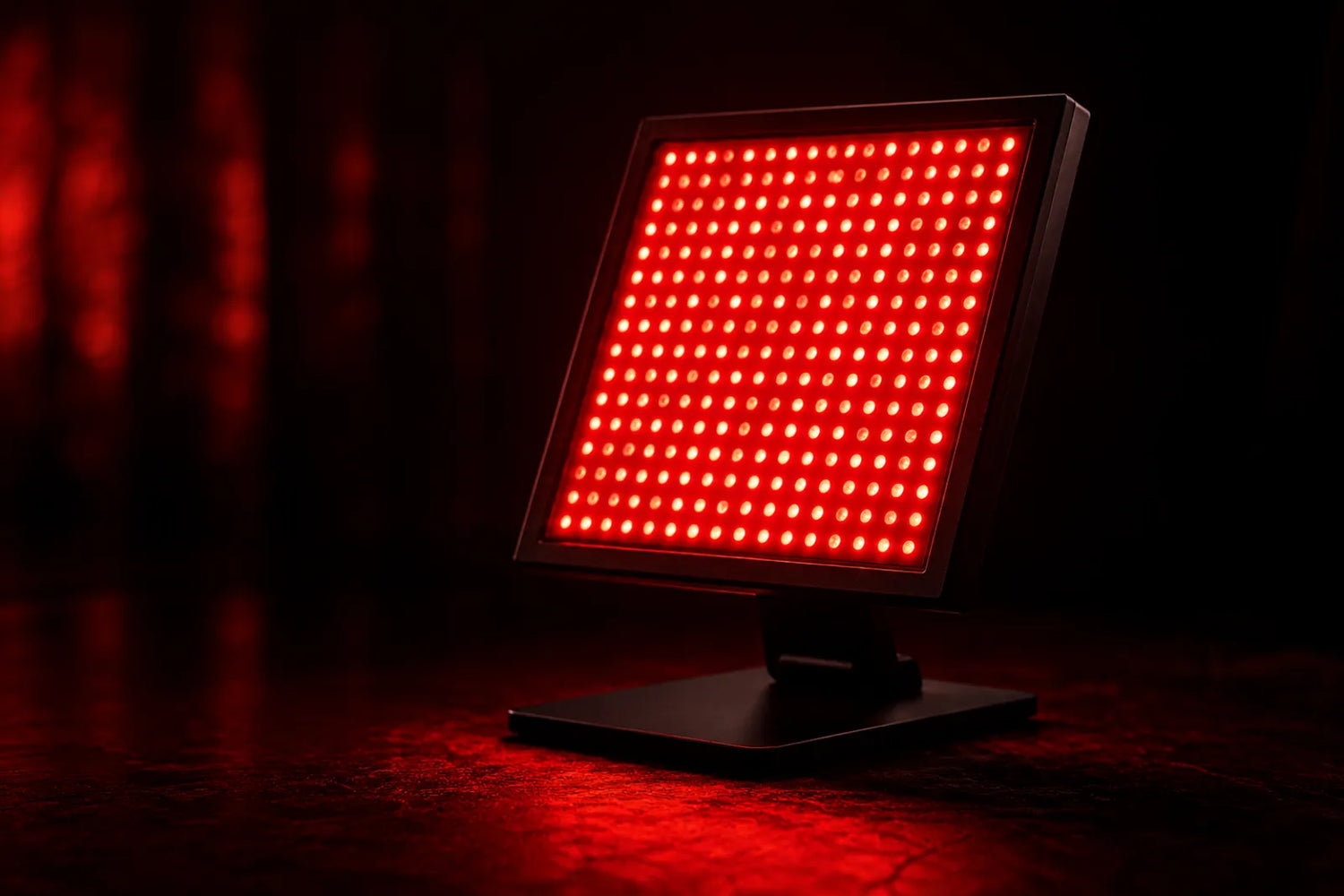
Red light therapy works, but only if you buy the right device for what you actually want to achieve and then use it consistently. With prices ranging from a few pounds for unbranded gadgets to several hundred for premium names, it's easy to overspend or buy something that doesn't suit your goal. This guide walks you through exactly how to choose: what genuinely matters, how to match a device to your needs, and which Lumovex device fits each goal.
The 5 Things That Actually Matter
Ignore the marketing noise and check these five fundamentals on any device you consider:
- Wavelengths. The research-backed therapeutic ranges are red (around 630 to 660nm) for the skin's surface and near-infrared (around 810 to 850nm) for deeper tissue. A quality device states its wavelengths clearly and ideally uses both.
- Power (irradiance). Wavelength is only half the story. The device should deliver enough light energy at treatment distance, and a reputable maker will publish a figure rather than just say "powerful LEDs".
- Coverage. Match the treatment area to your goal, whether that's the face, the face and neck, a specific joint, or the whole body.
- Build and support. Solid construction and support you can actually reach if something goes wrong (ideally based in your own country).
- Warranty and returns. A fair trial window and a warranty that shows the brand stands behind the product.
If a device hides its wavelengths or power figures, that's the real warning sign, whatever the price tag.
Match the Device to Your Goal
The single biggest factor in choosing well is being clear about what you want to treat. Red light therapy is largely a local treatment, so the device should cover the area you care about. Here's a quick decision guide:
| Your main goal | Best-suited device |
|---|---|
| Facial skin, fine lines, anti-ageing, acne | Spectrum Pro Mask |
| Face plus neck and decolletage | Spectrum Pro Mask + Neck |
| Targeted spots, marks, small areas | Sculpt Wand |
| Lower back, core, muscle tension | Recovery Belt |
| Wrists, hands, forearms | Wrist Strap |
| Larger body areas, muscle recovery | Pro Panel 540 |
| Travel and on-the-go use | Portable Panel |
| Full-body recovery, relaxation, wind-down | Total Recovery Mat |
| Face and body together | A bundle or kit |
The Lumovex Range at a Glance
Every Lumovex device uses both red (660nm) and near-infrared (850nm) wavelengths, comes with UK-based support, a 1-year warranty and 30-day returns. Here's what each is best for:
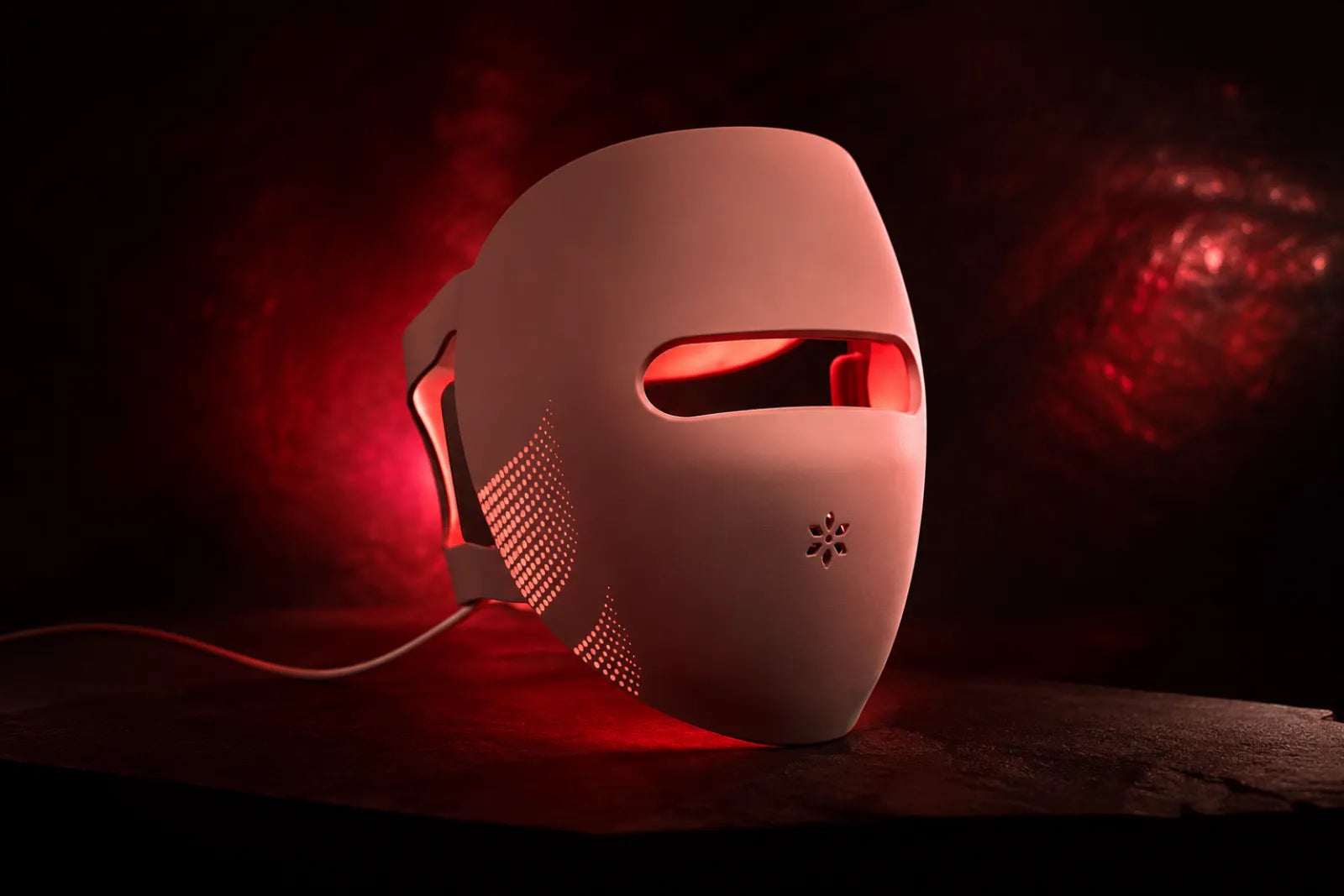
Spectrum Pro Mask - the go-to for facial skin: fine lines, tone, texture and breakouts. Hands-free and easy to use daily, which is exactly what skin goals need.
Spectrum Pro Mask + Neck - the same full-face treatment, extended to the neck and decolletage, areas that often show age as much as the face.
Sculpt Wand - precise spot treatment for individual marks, fine lines around the eyes, or small problem areas where you want control.
Recovery Belt - wraps around the lower back and core for hands-free, contact treatment, ideal for everyday tension and post-workout recovery.
Wrist Strap - designed for wrists, hands and forearms, delivering both wavelengths hands-free to small joints.
Pro Panel 540 - 289 LEDs across both wavelengths for broad coverage: muscle groups, the back, or multiple areas in one session. The most versatile single device.
Portable Panel - the same flexibility in a compact, travel-friendly form, perfect for keeping your routine going away from home or aiming at one area.
Total Recovery Mat - full-body coverage while you lie down, suited to overall recovery, relaxation and a wind-down routine.
Should You Buy a Bundle?
If your goals span both face and body, a bundle is usually better value than buying devices separately, and it saves you choosing twice. The Lumovex bundles and kits pair complementary devices, for example a mask for daily facial sessions plus a panel, belt or mat for the body. If you're confident you'll use both face and body treatment, start with a kit; if you have one clear goal, a single device is the smarter first step.
Red Flags to Avoid
- No stated wavelengths. "LED light" with no numbers is the biggest warning sign.
- No power figure. A serious device publishes its irradiance at a stated distance.
- Suspiciously cheap. Genuinely therapeutic LEDs and build quality cost more than a novelty gadget.
- No warranty or support. If there's no warranty or no way to reach the brand, walk away.
- Vague claims, no specifics. Marketing language with no specifications usually hides a weak product.
Frequently Asked Questions
How do I choose a red light therapy device?
Start with your goal. Pick a device that covers the area you want to treat (face, a specific joint, or the whole body), then check it clearly states both red (around 660nm) and near-infrared (around 850nm) wavelengths, publishes a power figure, and comes with a warranty and support.
What is the best red light therapy device for the face?
A hands-free LED mask is usually best for facial goals because it treats the whole face at a consistent distance and is easy to use daily. Add neck coverage if the neck and decolletage are a concern.
Is a panel or a mask better?
It depends on your goal, not which is "better". A mask is ideal for facial skin and effortless daily use; a panel is more versatile for the body and larger areas. Many people who want both end up with a bundle.
Do more LEDs mean a better device?
Not on their own. What matters is the right wavelengths and adequate power delivered to the area you're treating. A higher LED count spread thinly can deliver less useful energy than a focused device used close up.
How much should I spend on a red light therapy device?
Enough to get stated wavelengths, real power, quality build and a warranty, but you don't need to pay premium-brand prices for those fundamentals. Avoid the cheapest unbranded options, which often omit the specs that actually matter.
Which Lumovex device should I start with?
For skin, the Spectrum Pro Mask. For the body or recovery, the Pro Panel 540 or Recovery Belt. For both, a bundle. Match it to your main goal and you'll get the most from it.
The Bottom Line
Choosing well comes down to two things: be clear about your goal, and check the fundamentals (wavelengths, power, coverage, build, warranty). Get those right and the device you pick will deliver, as long as you use it consistently. The best red light therapy device is the one that matches your goal and that you'll actually use.
Ready to choose? Browse the full Lumovex range or compare the bundles and kits to find your fit.


Leave a comment
This site is protected by hCaptcha and the hCaptcha Privacy Policy and Terms of Service apply.