
Red Light Therapy for Athletes: Why Elite Performers Are Using It
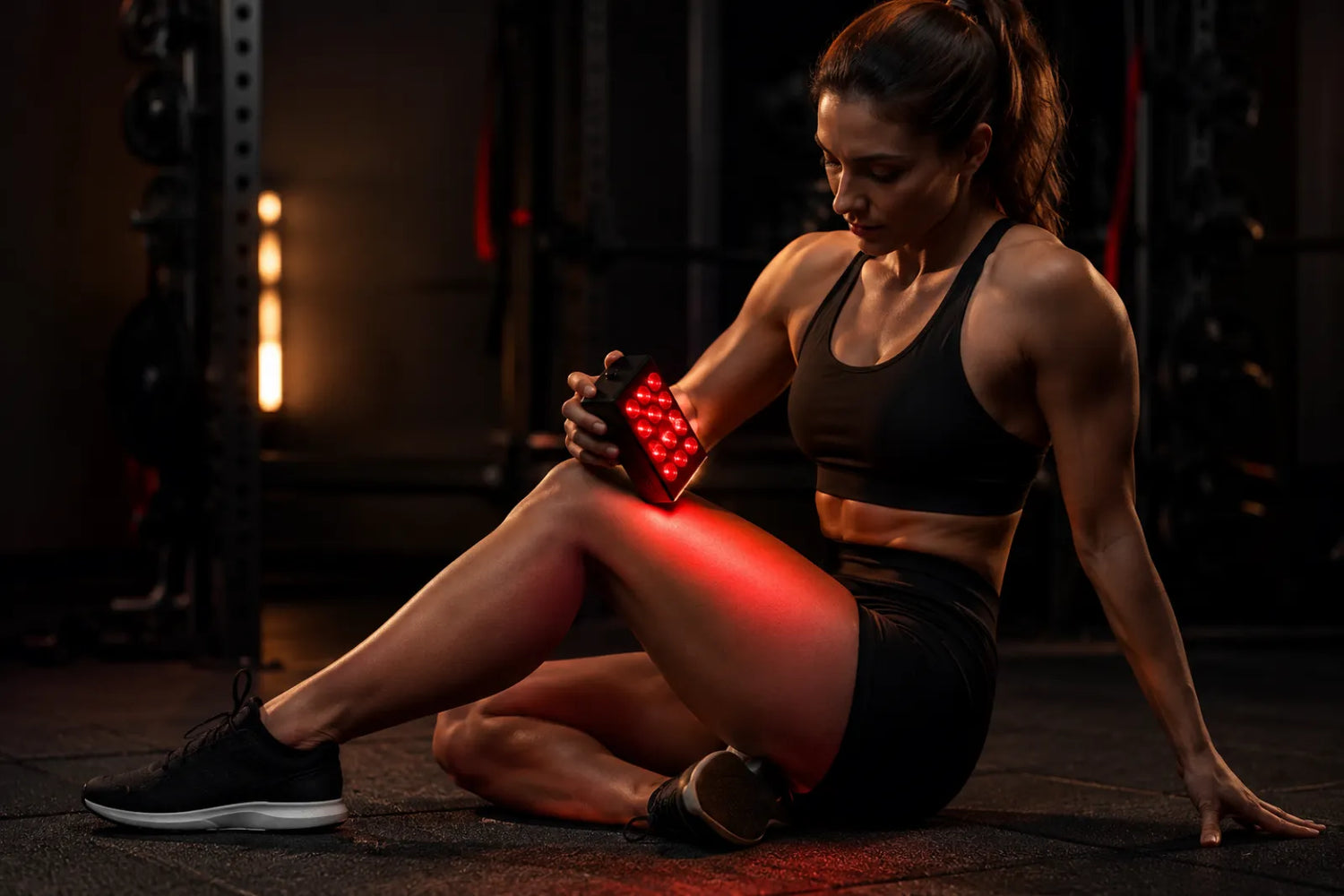
Walk into any professional sports facility and you'll likely find red light therapy equipment. From Premier League football clubs to Olympic training centres, athletes are using light therapy to recover faster and perform better.
But you don't need a pro budget to access these benefits. Here's what athletes at every level should know.
Why Athletes Care About Red Light Therapy
Three main reasons:
Faster recovery: The quicker you recover from training, the more quality sessions you can fit in. That compounds over time.
Reduced inflammation: Controlled inflammation is part of adaptation, but excessive inflammation slows recovery and increases injury risk.
Pain management: Non-invasive pain relief without drugs that might affect performance or violate anti-doping rules.
The Science of Athletic Recovery
When you train hard, you create micro-damage in muscle tissue. This triggers an inflammatory response and repair process. Red light therapy supports this cycle:
Enhanced ATP production: Cells need energy to repair. Red light boosts mitochondrial function and ATP synthesis, giving cells more fuel for recovery.
Reduced oxidative stress: Intense exercise generates reactive oxygen species (ROS). Near-infrared light helps neutralise this oxidative stress.
Improved blood flow: Better circulation delivers nutrients and removes waste products from damaged tissue.
Reduced inflammation: Light therapy modulates the inflammatory response - not eliminating it (you need some for adaptation) but keeping it in the optimal zone.
What the Research Shows
Studies on athletes specifically are compelling:
- A study on elite rugby players found reduced muscle soreness and faster return to baseline strength after red light treatment
- Research on cyclists showed improved time trial performance following pre-exercise light therapy
- Studies on DOMS (delayed onset muscle soreness) consistently show 20-40% reduction with red light treatment
The consensus: red light therapy accelerates recovery without interfering with training adaptations.
Practical Applications
Post-workout recovery: The most common use. Apply red light therapy within 30-60 minutes of training:
Pre-workout priming: Some athletes use light therapy before training to:
Injury rehabilitation: For sprains, strains, and overuse injuries:
Competition recovery: Between matches or events:
Which Device for Athletes?
Different devices suit different needs:
Panels: Best for covering large muscle groups (quads, back, hamstrings). The Lumovex Pro Panel 540 provides 289 LEDs across both 660nm and 850nm wavelengths for targeted treatment.
Belts: The Lumovex Belt is ideal for core, lower back, and hip flexor treatment - it wraps around the target area for hands-free recovery.
Full-body setups: Professional facilities often have beds or large arrays. For home use, treating areas in sequence with a panel works well.
Building an Athletic Recovery Protocol
Light training days:
Heavy training days:
Competition week:
Injury periods:
Combining with Other Recovery Methods
Red light therapy works alongside other recovery techniques:
Cold therapy: Some athletes alternate cold exposure with red light. The combination can be effective.
Massage/foam rolling: Light therapy before massage may enhance tissue pliability.
Compression: Can be used simultaneously with compression garments.
Sleep: Some athletes use the Total Recovery Mat in the evening, lying on it before bed - there's evidence red light supports better sleep quality alongside muscle recovery.
Common Questions from Athletes
Does it affect training adaptations?
No. Unlike ice baths (which may blunt some adaptations), red light therapy supports recovery without interfering with muscle protein synthesis or other adaptation pathways.
Is it allowed in competition?
Yes. Red light therapy isn't banned by any sporting body. It's considered a recovery modality like massage or stretching.
How quickly will I notice benefits?
Most athletes report reduced soreness within 1-2 weeks of consistent use. Performance benefits may take longer to measure objectively.
Can I use it on injuries?
Yes, but consult a sports medicine professional for serious injuries. Light therapy is complementary to, not a replacement for, proper diagnosis and treatment.
The Competitive Edge
Here's the reality: recovery is where adaptation happens. The athlete who recovers better can train more, more consistently, at higher quality.
Red light therapy isn't a magic bullet. It's one tool in the recovery arsenal. But it's a tool backed by research, used by professionals, and now accessible for home use.
If you're serious about performance, it deserves consideration.


Leave a comment
This site is protected by hCaptcha and the hCaptcha Privacy Policy and Terms of Service apply.