
Circulation quietly underpins a lot of how you feel day to day. Healthy blood flow delivers oxygen and nutrients to every tissue, and sluggish circulation is often linked to tired legs, cold hands and feet, and slower recovery after exercise. So when a safe, non-invasive, at-home tool may support local blood flow, it is worth understanding what it can and cannot do.
Red light therapy is one of the more studied tools in this space. The research suggests a clear, repeatable effect on local blood flow, and the mechanism behind it is genuinely interesting. Here is what the science actually shows, what to realistically expect, and how people use it.
Why Circulation Matters
Blood carries oxygen, nutrients, and immune cells to every tissue in the body. When circulation is poor, several everyday things can be affected:
- Recovery from exercise can feel slower
- Hands and feet may stay cold, especially in winter
- Muscle soreness can linger after training
- Skin can look duller in less well-served areas
Supporting healthy circulation is one of the more useful foundations for general wellbeing, and it is one of the few habits that tends to support several other goals at once.
How Red Light Therapy May Affect Blood Flow
Red light therapy uses specific wavelengths (typically 660nm red and 850nm near-infrared) that penetrate the skin and reach the small blood vessels beneath. Research points to two mechanisms behind the circulation effect.
Nitric oxide release. This is the headline mechanism. Red and near-infrared light is thought to interact with cytochrome c oxidase in your cells and prompt the release of nitric oxide that is otherwise bound up. Nitric oxide is one of the body's main vasodilators. When it is released, blood vessels relax and widen, and local blood flow increases. In vivo animal research published in Frontiers in Physiology in 2022 measured this directly, showing 670nm light produced a measurable increase in blood flow in living tissue.
Improved mitochondrial function. The same wavelengths are thought to support cellular energy production (ATP). Better-functioning cells lining the blood vessels may support healthier circulatory function over time.
A 2017 study using a diabetes animal model found that 670nm light increased local blood flow, and that the effect held even where conventional vasodilation pathways were impaired. That is an unusual finding, though it is important to be clear this was animal research, not a human trial.
What the Research Shows (and Its Limits)
Circulation is one of the more consistently reported effects in the red light therapy literature, but it is worth being honest about where the strongest evidence sits.
- Microcirculation. Studies have reported improved skin and muscle microcirculation after red light sessions, with effects measurable for a period after treatment.
- Athletic recovery. Red light therapy applied around training has been reported to reduce muscle soreness and support recovery, partly attributed to improved local blood flow helping clear metabolic by-products.
- Mechanistic evidence. The clearest measurements of red-light-driven vasodilation come from animal models. This is strong mechanistic support, but human blood-flow trials are smaller and fewer, so it is best to treat circulation benefits as promising rather than proven.
- Cold extremities. Robust clinical trial data is limited here, but regular users commonly report warmer hands and feet, particularly in colder months. This is anecdotal, not clinical.
The overall pattern is consistent: red light therapy appears to increase local blood flow during and after sessions, with the caveat that much of the strongest data is mechanistic and animal-based.
What You Can Realistically Expect
Circulation tends to respond faster to red light therapy than slower-building goals like skin firmness. Individual results vary.
Within the first session:
- Mild warmth in the treated area
- A pink flush to the skin (a visible sign of vasodilation)
Within 1 to 2 weeks of consistent use:
- Recovery after training may feel a little easier
- Some people notice a warm, pumped feeling during sessions
Within 4 to 8 weeks:
- Some users report warmer hands and feet
- Skin in treated areas may look a little brighter
Consistency matters more than intensity. Three to five sessions a week over six to eight weeks is where people tend to notice a difference. None of this is guaranteed, and red light therapy is supportive rather than a treatment for any condition.
How to Use Red Light Therapy for Circulation
The key is regular sessions on bare skin over the area you want to support. Different devices suit different goals.
- The Lumovex Pro Panel 540 delivers 660nm red and 850nm near-infrared light and is best for large-area sessions: back, legs, torso, shoulders. Sit or stand 15 to 30cm away for 10 to 15 minutes per area. Held closer, it also works for smaller, colder spots like hands or feet.
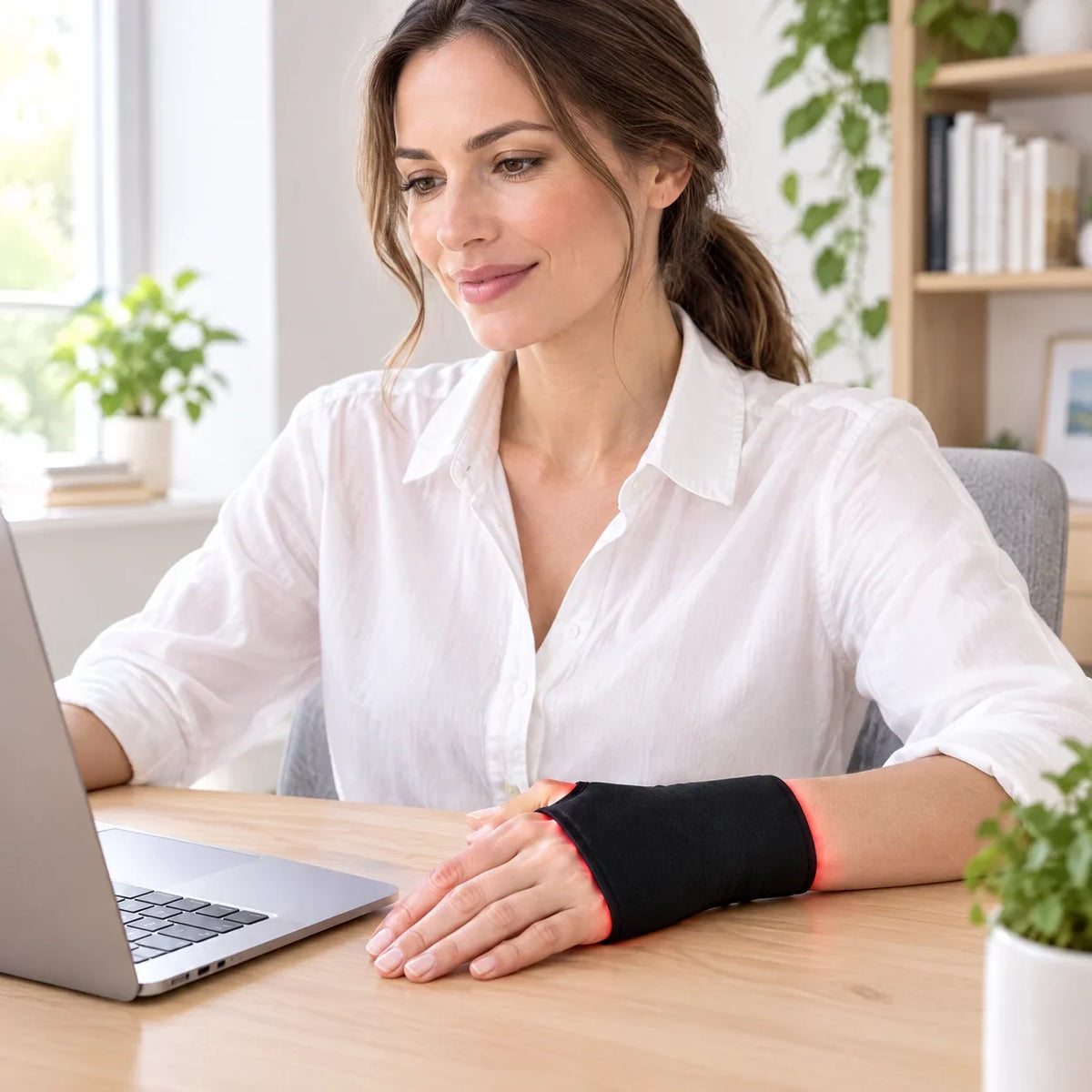
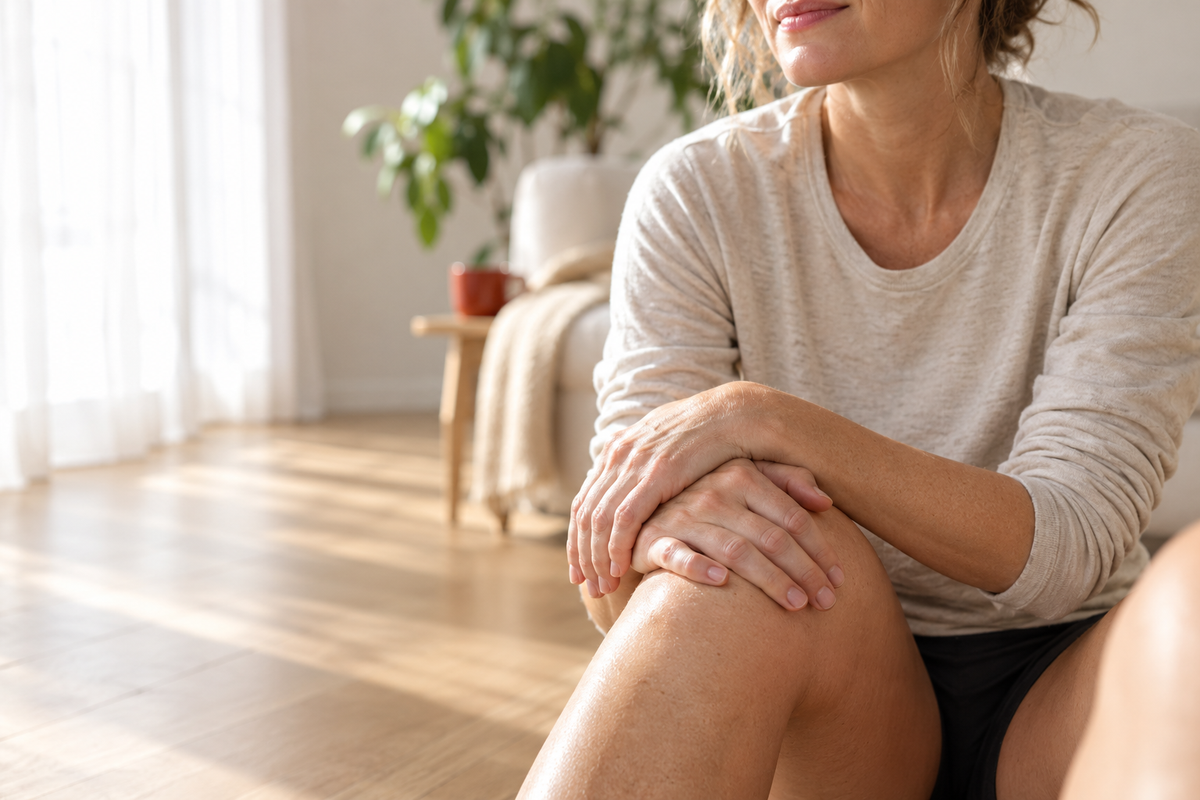
- The Lumovex Red Light Therapy Belt wraps directly around joints, limbs, and torso, making it a hands-free option for targeted work on knees, lower back, calves, or stomach.
For a general routine: 10 to 20 minutes per area, 3 to 5 times per week, on bare skin in a room where you are warm and relaxed.
Stack It With Things That Also Work
Red light therapy works best alongside other circulation-friendly habits:
- Movement. Walking, stretching, and resistance training all support circulation independently.
- Hydration. Blood plasma is mostly water, so staying hydrated supports healthy blood volume.
- Heat and cold exposure. Sauna, cold showers, or contrast therapy help train blood vessels to dilate and constrict.
- Diet. Foods rich in dietary nitrates (beetroot, leafy greens) support the body's natural nitric oxide production, and magnesium and omega-3s support vascular health.
- Sleep. A lot of circulatory recovery happens overnight.
Each layer compounds. Light alone is useful, but light plus movement, hydration, and good food is better.
Who Might Find It Most Useful
If any of these apply, red light therapy may be worth a look:
- You train regularly and want to support recovery
- Your hands and feet are often cold, particularly in winter
- You want to support healthier-looking skin without invasive treatments
- You sit at a desk most of the day and feel circulatory sluggishness
Note: red light therapy is supportive, not a treatment for any medical condition. If you have a circulatory disorder, varicose veins, or vascular disease, speak to your GP first.
Side Effects and Safety
Red light therapy has a strong safety record:
- Mild warmth during use
- Temporary skin redness on lighter skin tones
- No downtime and no recovery period
Speak to your GP first if you:
- Are pregnant
- Take medication that increases light sensitivity
- Have active skin cancers in the treatment area
Otherwise, red light therapy is one of the gentlest and best-tolerated at-home wellness tools available.
Frequently Asked Questions
Does red light therapy actually help cold hands and feet?
Some regular users report noticeably warmer extremities after several weeks of consistent use, likely linked to improved peripheral circulation. This is anecdotal and effects vary between individuals.
How often should I use it for circulation?
Typically 3 to 5 sessions per week, 10 to 20 minutes per area, for at least 4 to 8 weeks before judging results.
Can it help with varicose veins or spider veins?
Red light therapy is not a treatment for varicose veins. It may support general circulation and skin appearance in the area, but if you have vein-specific concerns, see a vascular specialist.
Will it raise my heart rate or blood pressure?
No. Red light therapy supports vasodilation gently and locally, and is not known to stress the cardiovascular system or raise blood pressure. If you have any cardiovascular concerns, check with your GP first.
Can I use it before a workout?
Many people use red light therapy as a pre-workout primer to support blood flow to muscles. See our pre vs post-workout guide for the full breakdown.
Is one session enough?
A single session may boost blood flow temporarily. Any lasting circulation benefit builds with consistency over weeks.
Does it help with athletic recovery?
Improved local circulation after exercise may help clear metabolic by-products and deliver nutrients to muscle. Read our full guide on red light therapy for muscle recovery.
The Bottom Line
Red light therapy is one of the more credibly supported at-home tools for supporting circulation. The mechanism (nitric oxide release and improved mitochondrial function) is well understood, and the research points consistently in the same direction, though much of the strongest evidence is mechanistic and animal-based rather than large human trials. The safety profile is excellent.
Give it 4 to 6 weeks of consistent use. Circulation tends to respond faster than most other red light therapy benefits, so you may feel the difference before you see it.
If you want to start, the Lumovex Pro Panel 540 is the most versatile option for large-area circulation work, and for targeted areas like knees, lower back, or calves, the Lumovex Belt is the easiest hands-free option.


Leave a comment
This site is protected by hCaptcha and the hCaptcha Privacy Policy and Terms of Service apply.