


If you are searching whether red light therapy helps seasonal affective disorder (SAD), the honest short answer is this: red light therapy is not a treatment for SAD, and it is not the same thing as the bright light box your GP might recommend. The two work in completely different ways. That distinction matters, because a lot of online content blurs the line and it can send people towards the wrong tool for a genuine problem.
This guide explains the difference clearly, looks at what the emerging research on light and mood actually shows, and sets out where a red light device might have a supporting role in a winter wellness routine, and where it definitely does not belong.
What SAD is, and how it is normally treated
Seasonal affective disorder is a form of depression that follows a seasonal pattern, most commonly starting in autumn and lifting in spring. In the UK it is often called "winter depression" because shorter days and less daylight are thought to be central to it. Symptoms can include persistent low mood, low energy, sleeping more than usual, craving carbohydrates, and losing interest in things you normally enjoy.
The mechanism most researchers point to is the effect of reduced daylight on your body clock (circadian rhythm) and on brain chemicals such as serotonin and melatonin. Less morning light can delay your internal clock and disrupt sleep and mood regulation.
The established first-line tools for SAD, according to the NHS, are getting as much natural daylight as possible, talking therapies, and in some cases antidepressants. Light therapy using a specialised lamp, sometimes called a SAD lamp or light box, is also widely used. If your symptoms are significant or affecting daily life, speaking to your GP is the right first step, not buying a device.
The critical difference: SAD lamps vs red light therapy
This is the part most articles get wrong, so it is worth being precise.
A SAD lamp (light box) produces very bright, broad-spectrum white light, typically around 10,000 lux. You sit near it in the morning with your eyes open (not staring directly at it) for around 20 to 30 minutes. It works through the eyes. The bright light signals to the brain's master clock that it is daytime, helping to reset a delayed circadian rhythm and support serotonin activity. Brightness and timing are the whole point.
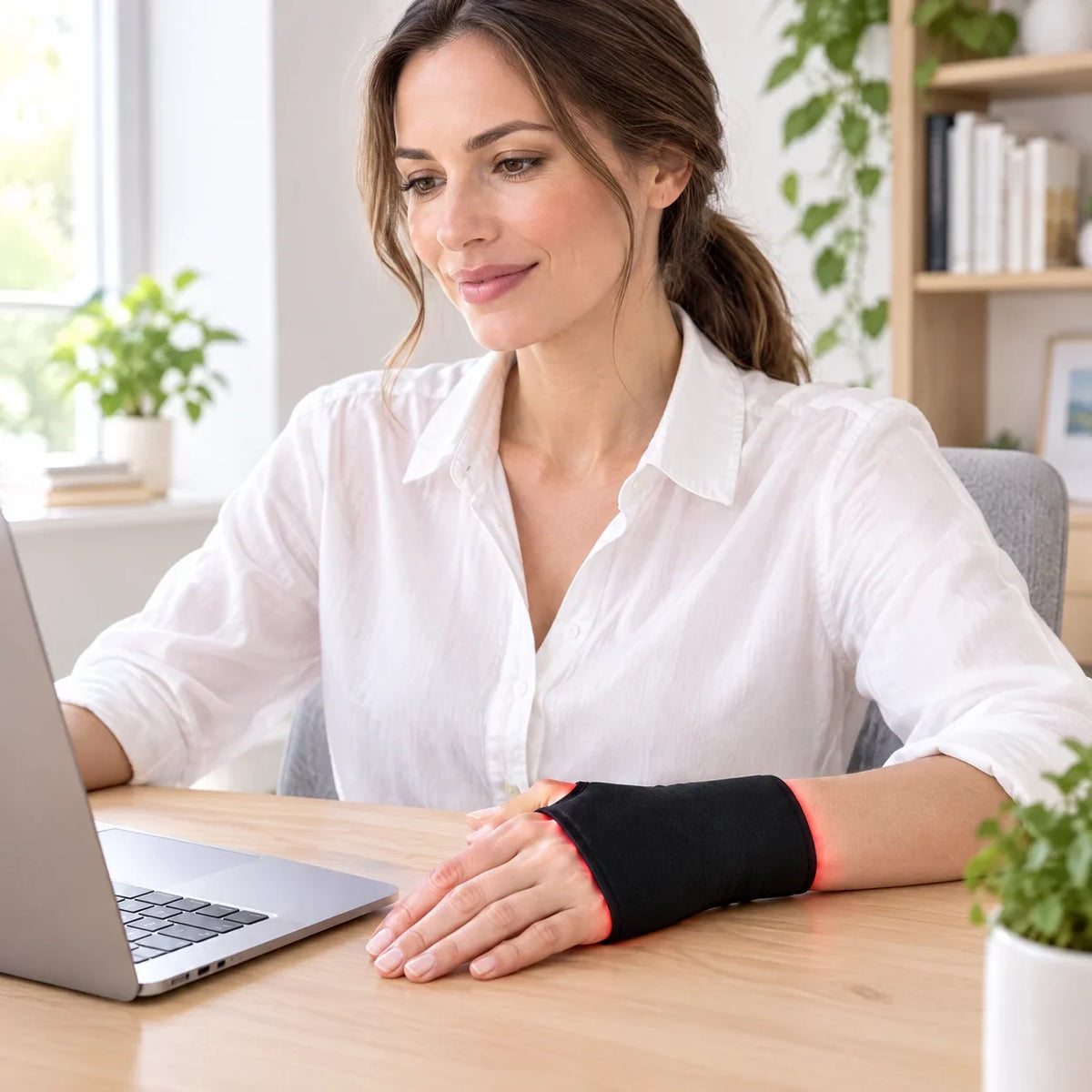
Red light therapy is a different technology with a different target. Devices such as an LED face mask or a red light panel deliver specific wavelengths, usually red (around 660nm) and near-infrared (around 850nm), that are absorbed by the skin and the mitochondria inside cells. This is called photobiomodulation. It is studied mainly for skin, recovery and localised effects, and it is applied to the skin, not designed to flood the eyes with bright light.
So a red light device is not a low-effort substitute for a SAD lamp. It is not bright enough, it is not the right spectrum, and it is not used in the same way. If your goal is specifically to manage seasonal low mood tied to lack of daylight, a proper light box or professional advice is the appropriate route.
What does the research on light and mood actually show?
Here is where it gets more nuanced, and where honesty is more useful than hype.
There is a small but growing field looking at near-infrared light and the brain, sometimes called transcranial photobiomodulation. A handful of early studies have explored whether near-infrared light applied to the head might influence mood in people with depression. The results are preliminary. The studies are typically small, short, and use specialised research equipment aimed at the forehead, not a consumer skincare mask. Reviews of this area, including work summarised in the National Library of Medicine's research database, consistently describe it as an emerging area that needs larger, better-controlled trials before any conclusions can be drawn.
What this means in plain terms:
- There is genuine scientific interest in whether near-infrared light can affect the brain and mood.
- The current evidence is too early and too limited to claim that an at-home red light device helps depression or SAD.
- A standard LED face mask is designed and tested for skin, not as a brain or mood device, and should not be presented as one.
Anyone telling you a red light mask "treats winter depression" is going well beyond what the evidence supports. We are not going to do that.
Where a red light routine might genuinely help in winter
None of the above means red light therapy is useless in the darker months. It just means being clear about what it is for. Winter brings a few specific, evidence-backed challenges that a red light routine can reasonably support:
Skin. Cold air, indoor heating and less daylight leave many people with drier, duller, more reactive skin through winter. Red and near-infrared light are studied for supporting the appearance of skin and are associated with collagen activity. This is the core, well-supported use case. Our guide on red light therapy at home covers how to build a consistent routine.
A morning ritual and consistency. SAD management leans heavily on routine and getting morning light. Using a red light device as part of a fixed morning skincare ritual will not replace daylight, but it can act as an anchor habit that gets you up, near a window, and into a consistent morning pattern. When you use it can matter for your wider routine, which we cover in best time of day for red light therapy.
Sleep and wind-down. Poor sleep is a common feature of the winter slump. Red light therapy is not a sleep treatment, but the wider topic of light and sleep is worth understanding, and we look at the evidence honestly in red light therapy and sleep.
The most sensible framing is complementary, not curative. A red light device can sit alongside the things that actually address seasonal low mood: daylight, movement, routine, and professional support where needed.
What to do if you think you have SAD
If low mood, low energy or seasonal changes are affecting your daily life, the practical steps are straightforward:
- Speak to your GP. SAD is a recognised condition and there are established treatments. This is the single most useful thing you can do.
- Maximise daylight. Get outside in the morning where possible, sit near windows, and keep your environment bright.
- Consider a proper SAD light box if advised, and use it as directed (correct lux, morning timing, eyes open but not staring).
- Keep a routine. Regular sleep, meals and movement all support mood through winter.
- Use red light therapy for what it is good at, such as skin and recovery, as a bonus habit, not as a mood treatment.
Being realistic about what each tool does is not a downside. It is how you avoid spending money on the wrong thing and delaying help that works.
The bottom line
Red light therapy and SAD lamps are often mentioned in the same breath, but they are not interchangeable. SAD lamps use bright light through the eyes to influence your body clock. Red light therapy uses specific wavelengths on the skin, and the research on light, the brain and mood is still at a very early stage. If you are dealing with genuine seasonal depression, treat it as a health matter and start with your GP. If you simply want to look after your skin and keep a steady routine through the darker months, a red light device can be a useful part of that picture, with no need to overclaim what it does.
Frequently asked questions
Can red light therapy treat seasonal affective disorder?
No. There is no good evidence that a consumer red light device treats SAD, and it is not designed for that purpose. SAD is best managed with daylight, professional support, and a specialised light box if recommended by a health professional.
Is a red light therapy mask the same as a SAD lamp?
No. A SAD lamp is a very bright (around 10,000 lux) broad-spectrum light used through the eyes to affect your body clock. A red light mask delivers specific red and near-infrared wavelengths to the skin for skin-related benefits. Different technology, different purpose.
Does near-infrared light affect the brain or mood?
There is early research into near-infrared light and the brain (transcranial photobiomodulation), but it is preliminary, uses specialised equipment, and is not something a standard skincare device is designed or tested to do. It is an area to watch, not a proven at-home use.
Can I use red light therapy in winter for my skin?
Yes. Supporting the appearance of skin is the well-studied use case for red and near-infrared light, and winter dryness and dullness make it a sensible time to keep a consistent routine.
Should I see a doctor about winter low mood?
Yes. If low mood, low energy or seasonal changes are affecting your daily life, speak to your GP. SAD is a recognised condition with established treatments.
When is the best time to start a winter light routine?
Many people notice seasonal symptoms starting in autumn, so building your daylight and routine habits early, before the darkest months, tends to be more effective than waiting until mid-winter.


Leave a comment
This site is protected by hCaptcha and the hCaptcha Privacy Policy and Terms of Service apply.