

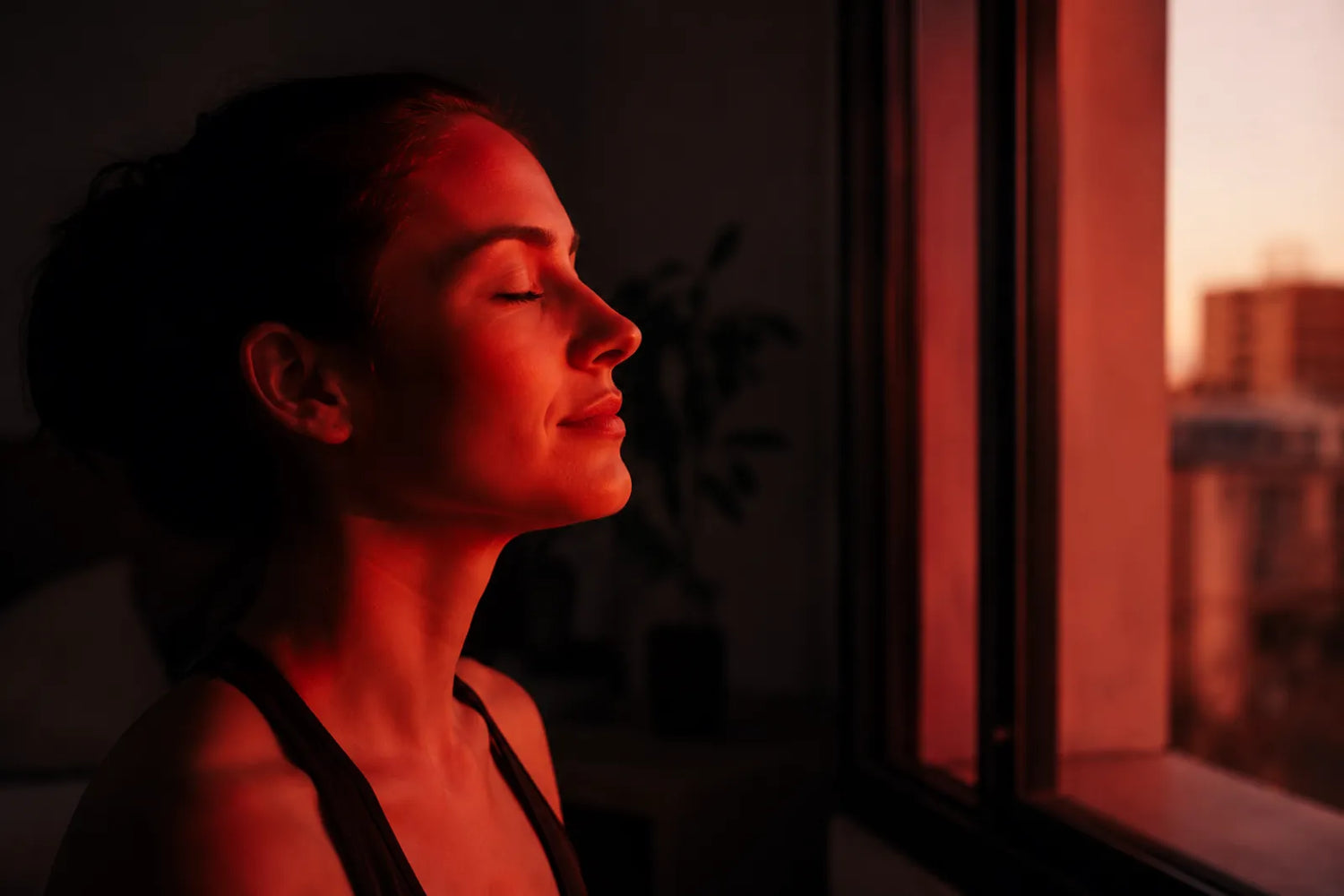
One of the most common questions about red light therapy is simple: when should I use it? Morning? Evening? Does timing even matter?
The short answer: consistency matters more than timing. But there are some factors worth considering, and a few small ways timing can work in your favour.
What the Science Says
Here's the honest truth: there's no strong research showing that red light therapy is dramatically more effective at one specific time of day for skin, recovery, or general wellness. Studies on photobiomodulation typically don't control for time of day, and those that have looked at timing haven't found large differences in cellular response. The core mechanism, light being absorbed by your mitochondria to support energy production, works whenever you run a session.
That said, your body does run on a daily rhythm, and how you feel after a session can vary with it. So while the cellular biology may not care much about the clock, your routine, your energy levels, and your skincare habits often do. That is where the choice between morning and evening actually gets made.
Morning Sessions: The Case For
Energising effects: Many people report feeling more alert and energised after red light therapy. If that's your experience, morning makes sense.
Consistent routine: Morning routines tend to be more stable than evenings. If you do it first thing, life is less likely to get in the way.
Pre-workout: If you exercise in the morning, a brief light session beforehand may help warm up muscles and support performance.
Evening Sessions: The Case For
Better for recovery: Your body does much of its repair work while you sleep. Using red light therapy in the evening can help prime your cells for overnight recovery.
Skincare integration: Most people do their skincare routine in the evening. Red light therapy fits naturally before applying serums and moisturisers, on clean skin.
Relaxation: Many people find light therapy sessions calming. A 15-minute wind-down before bed can help signal the transition into rest mode. Worth noting: red and near-infrared light is not the same as the blue light from screens, which is the wavelength most associated with disrupting sleep, so an evening session is unlikely to keep you wired.
The Practical Answer
For most people, the best time for red light therapy is whenever you'll actually do it consistently.
Seriously. A perfectly timed session that you skip half the time is less effective than a "suboptimal" time that becomes a daily habit.
| Your Situation | Suggested Timing |
|---|---|
| Work out in the morning | Before or after workout |
| Work out in the evening | Post-workout |
| Do skincare at night | Evening, before products |
| Want an energy boost | Morning |
| Struggle to wind down | Evening |
| Busy, unpredictable schedule | Whenever works |
A Few Tips to Make Your Timing Stick
- Anchor it to a habit you already have - straight after brushing your teeth, or while the kettle boils
- Keep the device visible - out of sight really does mean out of mind
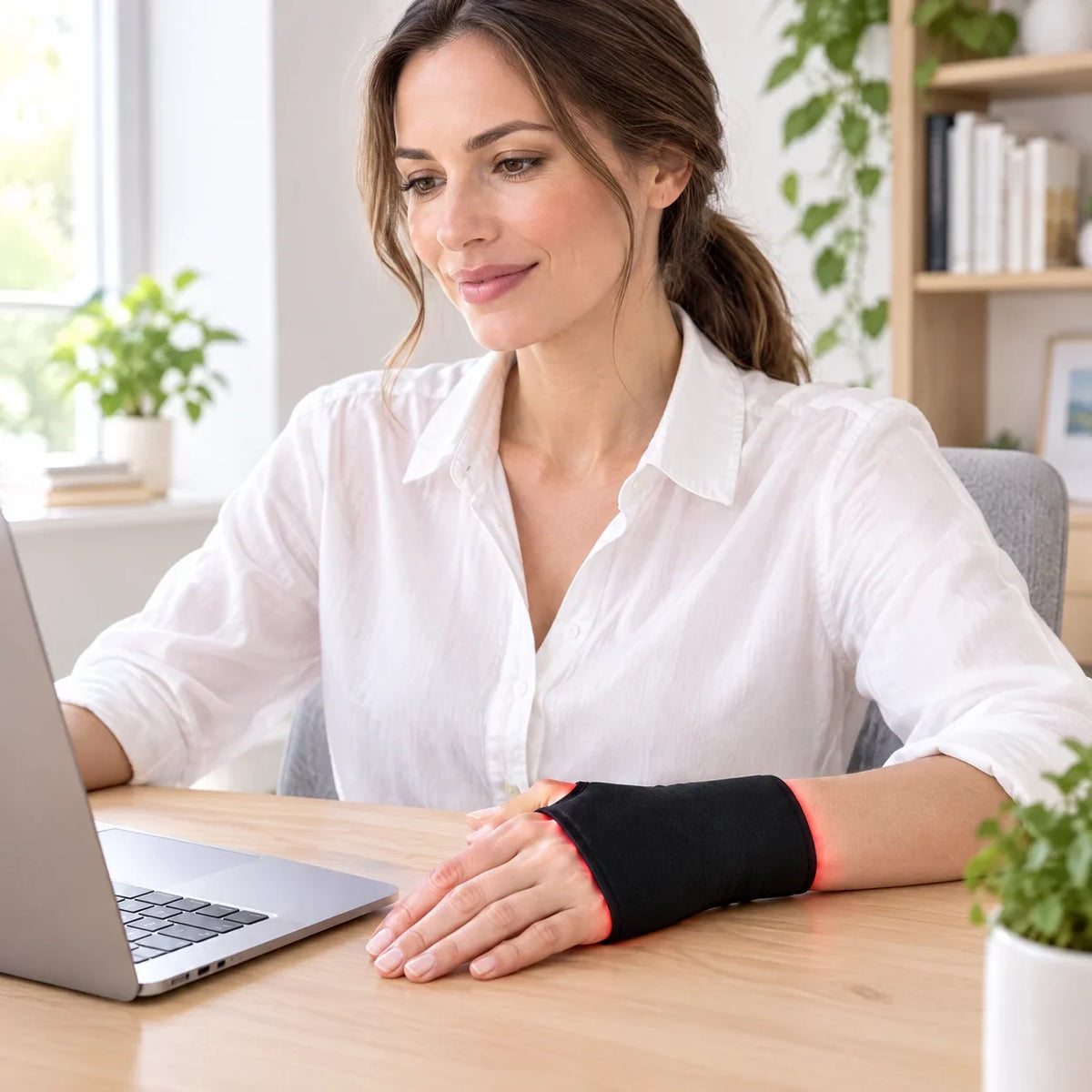
- Match the device to the slot - a hands-free mask or wrap is easy to fit into a busy morning, while a relaxed mat or panel session suits a calmer evening
- Be consistent with clean skin - for facial sessions, run them on a freshly cleansed face whatever the hour
Frequently Asked Questions
Will red light therapy at night keep me awake?
It is unlikely. Red and near-infrared light is different from the blue light that disrupts sleep, and many people actually find evening sessions relaxing.
Is morning or evening better for skin?
Both work. Evening tends to fit most people's skincare routine better, simply because it slots in before serums and moisturisers on clean skin.
Can I use it more than once a day at different times?
You can, but it is rarely necessary. One consistent session per area is enough, and longer or more frequent use does not add much thanks to the biphasic dose response.
Does the time of day change how long my session should be?
No. Aim for the same 10 to 20 minutes per area regardless of when you run it.
The Bottom Line
Stop overthinking timing. The science doesn't support strong claims about a single optimal window, and the practical reality is that consistency trumps everything else. Pick a time that fits your life, build the habit, and stick with it.
The Spectrum Pro Mask delivers both 660nm red and 850nm near-infrared wavelengths and slots easily into a morning or evening routine. For broader body coverage, the Pro Panel 540 delivers 289 LEDs across both wavelengths, while the Total Recovery Mat suits a relaxed wind-down session. Browse the full Lumovex range to find your fit.



Leave a comment
This site is protected by hCaptcha and the hCaptcha Privacy Policy and Terms of Service apply.