
How Much Does Red Light Therapy Cost? A UK Buying Guide
The short answer: red light therapy in the UK ranges from affordable targeted handhelds at the entry level up to full-body panels at the premium end, with LED masks and recovery belts sitting in between. The biggest factor is not the brand on the box, it is the type of device and how much of your body it treats. A home device is a one-time cost, while salon or clinic sessions are paid for again every visit.
If you are weighing up the price of red light therapy, this guide breaks down what you are actually paying for, how the main device types compare on cost, and how to spot genuine value rather than just the cheapest option.
What You Are Actually Paying For
Two red light devices can look similar and cost very differently. Here is what sits behind the price:
- Wavelengths: The most capable devices combine visible red (around 660nm) with near-infrared (around 850nm). Red supports the skin's surface, while near-infrared reaches deeper for muscle and joint recovery. Single-wavelength devices tend to be cheaper but do less.
- Power output (irradiance): Higher-output LEDs deliver more light energy in less time. Low-output devices can look cheap up front but mean longer sessions for the same result.
- Coverage area: A small handheld treats one spot at a time. A panel or full mask treats a whole area at once. More coverage usually means a higher price, but also far less time per session.
- Build quality and safety: Skin-safe materials, proper heat management and reliable controls all add cost, and they matter for a device you hold against your skin.
- Warranty and support: A real warranty and UK-based support are part of the value. Cheap imports often have neither, and can carry customs charges on top.
This is why a price-only comparison can be misleading. The cheapest device is rarely the best value if it covers a tiny area, runs at low output, or arrives with no warranty.
Red Light Therapy Costs by Device Type
The clearest way to understand red light therapy pricing is by device type, from most affordable to biggest investment.
Targeted and handheld devices (entry level)
Wands and wrist or joint straps are the most affordable way into red light therapy. They treat one small area at a time, which makes them ideal for spot treatment, specific joints, or simply trying red light without a large outlay. The Lumovex Sculpt Wand and Red Light Therapy Wrist Strap sit in this entry tier.
LED masks and recovery belts (mid range)
Wearables are the sweet spot for most people: hands-free, shaped to a specific area, and quick to use. An LED face mask treats the whole face at once, while a recovery belt wraps the back, waist or core. The Lumovex Spectrum Pro Mask and Red Light Therapy Belt are mid-tier wearables that combine 660nm and 850nm.
Full-body panels (premium)
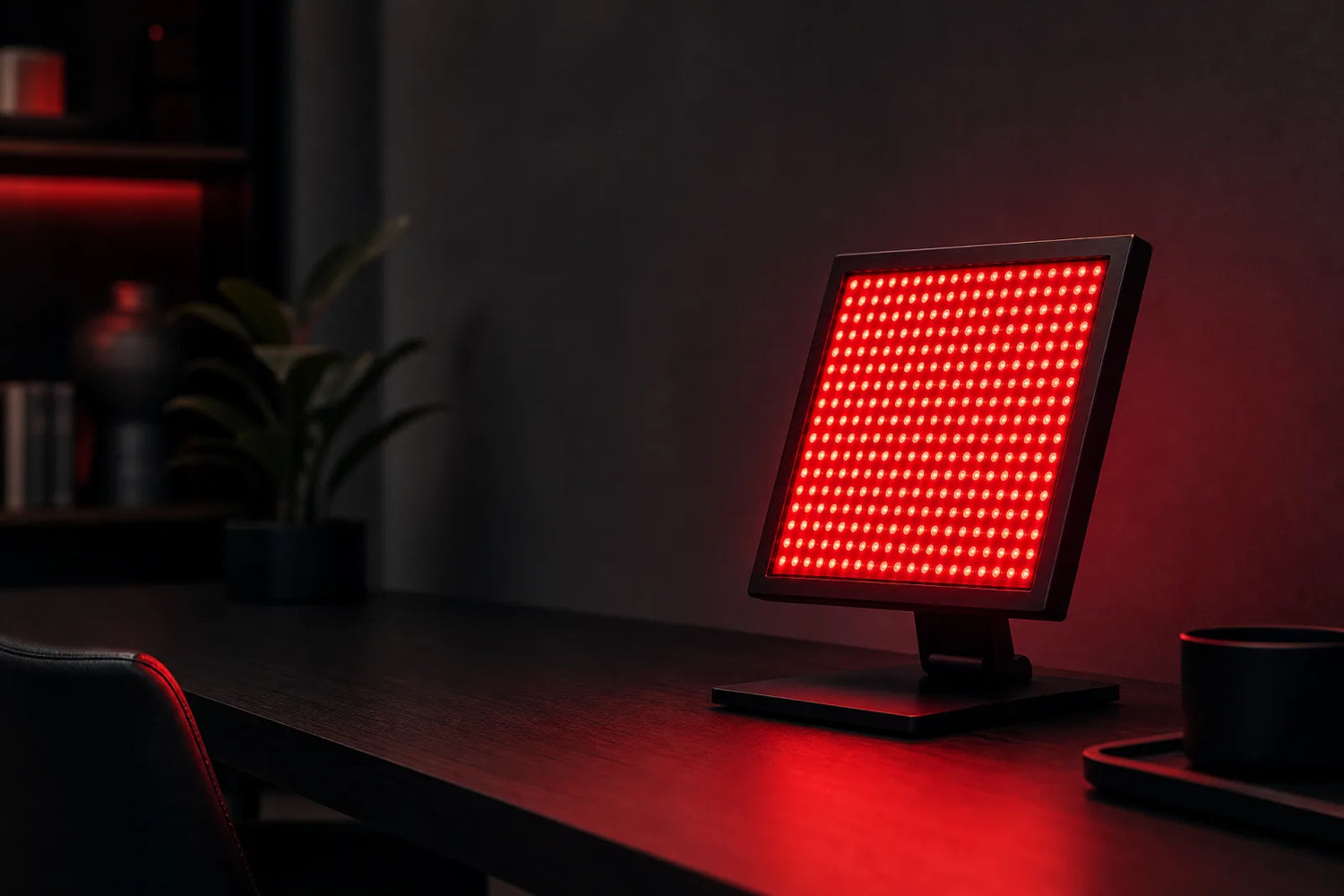
Panels are the most flexible option and the biggest investment, because they treat the largest area and suit face and body alike. A compact Portable Panel is a lower-cost way into panel coverage, while the Pro Panel 540 delivers higher output and broader coverage for whole-body use at home.
Bundles and kits (best value)
If you want more than one device, bundles are usually the best value, pairing complementary tools for less than buying each on its own. Browse the current red light therapy deals and bundles to see how the savings stack up.
Buying for someone else? Our red light therapy gift guide sorts every Lumovex device by price and by the person it suits.
For current pricing across every tier, browse our best-selling red light therapy devices.
Home Device vs Salon or Clinic Sessions
One of the most useful ways to think about red light therapy cost is one-off versus ongoing.
A salon or clinic LED session is paid for every single visit, and providers typically recommend a course of sessions for visible results, then ongoing top-ups to maintain them. The cost adds up quickly. A home device is bought once and used as often as you like, with no booking, travel or repeat fees.
For many people, the cost of a course of professional sessions is comparable to buying a quality home device outright, after which every session is effectively free. That is a big part of why at-home red light therapy has grown so fast.
How to Get the Best Value (Not Just the Cheapest)
Price matters, but value is what you actually get for it. When comparing red light devices, look for:
- Dual wavelengths: 660nm and 850nm together cover both skin and deeper recovery.
- Enough coverage for your goal: a handheld for one spot, a mask or belt for an area, a panel for the whole body.
- Honest output and specs: clear, research-backed information rather than vague claims.
- A real warranty and UK-based support: so the device is backed after you buy.
- A returns window: the confidence to try it at home and send it back if it is not right.
For a side-by-side look at what to weigh up, see our red light therapy comparison guide.
What Does Lumovex Cost?
Lumovex covers every tier above, from an entry-level wand up to a full-body panel, so there is an option whatever your budget and goal. Pricing is shown live on each product page, and the range is designed to deliver high-output, dual-wavelength devices at accessible prices.
Every order includes free UK mainland delivery, a 30-day money-back guarantee and a 2-year warranty, so you can try red light therapy at home with confidence. (Northern Ireland and some remote UK postcodes may carry a delivery charge, shown at checkout.)
See current pricing across the full Lumovex range, or start with the best-value bundles and kits.
Frequently Asked Questions
How much does red light therapy cost in the UK?
It depends on the device type. Targeted handhelds are the most affordable, LED masks and recovery belts sit in the mid range, and full-body panels are the premium option. A home device is a one-time cost, unlike salon sessions you pay for each visit. See live pricing across the Lumovex range for current figures.
Is red light therapy worth the money?
For regular use, a home device often works out better value than repeat salon sessions, because it is a one-off purchase you can use as often as you like. The key is choosing a device with the right coverage and wavelengths for your goal.
Is it cheaper to buy a device or go to a salon?
Over time, usually a device. Salon LED sessions are charged every visit and a course is normally recommended, whereas a home device is bought once. For frequent use, owning a device typically costs less in the long run.
What is the most affordable red light therapy device?
Targeted handhelds such as wands and joint straps are the entry point. They treat one small area at a time, which makes them the lowest-cost way to start, ideal for spot treatment or trying red light therapy.
Why are some red light devices so expensive?
Higher prices usually reflect dual wavelengths (660nm and 850nm), higher light output, larger coverage, better build quality, and a proper warranty with support. Full-body panels cost more because they treat the largest area.
Does a more expensive device work better?
Not always. Price should track coverage, output and wavelengths, not the brand name. A well-specified mid-range device can be better value than a pricier one with weaker output or a smaller treatment area.
Ready to find your device? Explore our best-selling red light therapy range or see how the options compare in our comparison guide.




Leave a comment
This site is protected by hCaptcha and the hCaptcha Privacy Policy and Terms of Service apply.