


Tendon pain is its own frustrating category: it's rarely dramatic, it flares with the same movements over and over, and it tends to outlast whatever you tried first. Tennis elbow (lateral epicondylitis), Achilles tendinopathy and similar overuse injuries have a genuine, if mixed, body of photobiomodulation research behind them, going back almost two decades. Some trials show clear benefit, particularly for pain, others show more modest results, and nearly all of them use clinical-grade lasers rather than the kind of LED device you'd buy for home use. Here's what the evidence actually says, and how to use light therapy sensibly if you're dealing with a stubborn tendon.
Why tendons are a different problem to joints or muscles
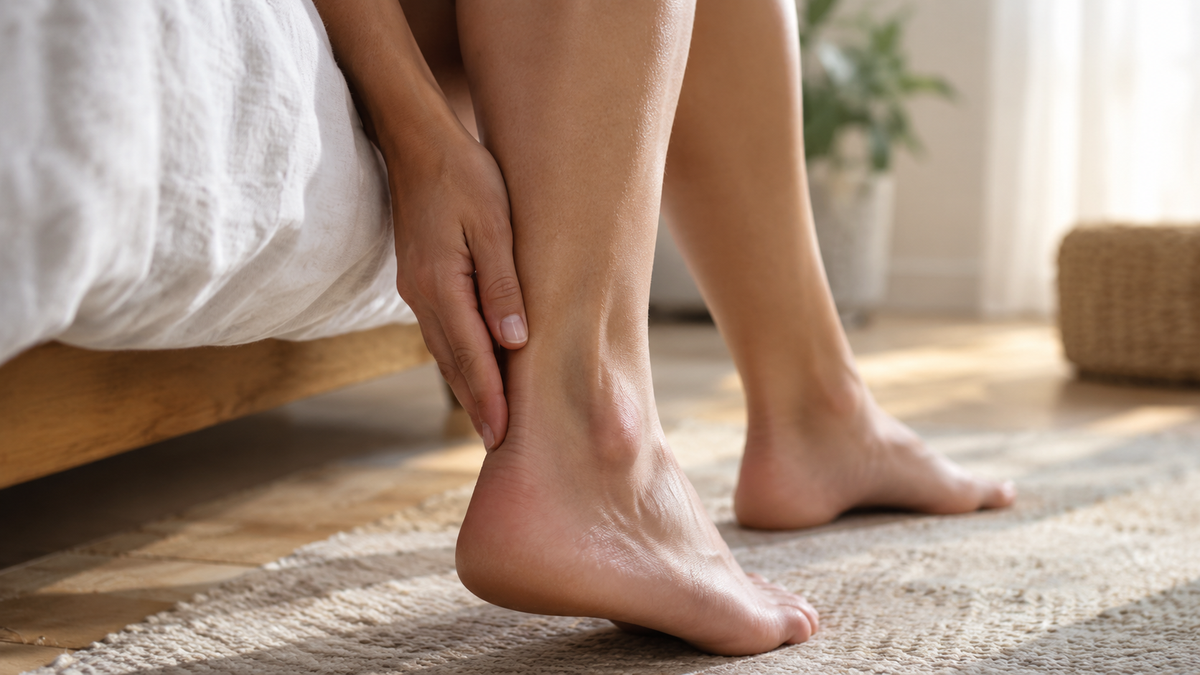
Tendons heal slowly because they have a limited blood supply compared to muscle, which is part of why tendinopathy (the general term for tendon overuse injury) tends to become chronic rather than resolving on its own within a few weeks. Tennis elbow affects the tendons on the outside of the elbow, usually from repetitive gripping or wrist extension. Achilles tendinopathy affects the tendon at the back of the ankle, common in runners. Both are mechanically different from the joint inflammation covered in our arthritis guide, because the underlying tissue and repair process are different. This matters for what to expect: tendon research has generally focused on pain reduction and function, with collagen remodelling as a proposed mechanism, and improvement tends to be gradual.
The evidence: what the trials actually found
Tendinopathy is one of the more extensively studied applications of low-level laser therapy, with trials spanning different tendons and different laser types. A randomised controlled trial on chronic Achilles tendinopathy combined low-level laser therapy with eccentric exercises in recreational athletes and found faster improvement than exercise alone. A separate placebo-controlled trial using microdialysis to directly measure peritendinous prostaglandin E2 (an inflammatory marker) in Achilles tendinitis found laser therapy reduced local inflammatory markers compared to placebo. For tennis elbow specifically, a randomised controlled trial using 904nm laser therapy for lateral epicondylitis found measurable pain improvement, and more recent research continues the theme: a 2025 multicentre, randomised, placebo-controlled trial tested photobiomodulation combined with a static magnetic field for lateral epicondylitis pain and function, and separate research on higher-powered class IV laser treatment for epicondylitis has also shown benefit. A further randomised trial combined low-level laser therapy with eccentric exercise for midportion Achilles tendinopathy and again found the combination outperformed exercise alone.
The consistent theme across these trials is that light therapy tends to work best as an addition to exercise-based rehabilitation, not as a replacement for it. Eccentric strengthening exercises are the established first-line treatment for tendinopathy, and the strongest results in the research come from combining the two rather than relying on light alone.
Clinical laser vs at-home LED: what actually transfers
Every trial referenced above used a clinical-grade laser, typically 810-980nm or similar near-infrared wavelengths delivered by a physiotherapist or researcher, at a measured dose, directly over the affected tendon, usually multiple times a week for several weeks. Consumer LED devices operate on similar core wavelengths, Lumovex devices use 660nm red and 850nm near-infrared, which sit within the general range studied, but at different power densities and without the precision dosing used in a clinical setting. That doesn't mean an at-home device can't help with general comfort and circulation around a tendon; it means the specific pain-reduction percentages reported in these trials come from supervised, measured clinical protocols, not from casual home use.
A sensible at-home approach
For a small, specific area like the elbow, a handheld device you can hold directly against the affected spot makes more practical sense than a larger panel. The Portable LED Therapy Panel is built for exactly this kind of targeted, localised use, held steady against the outside of the elbow or the back of the ankle for a session. If the tendon pain involves the wrist as well, common with repetitive gripping and overuse injuries like De Quervain's tenosynovitis, the Red Light Therapy Wrist Strap wraps around the hand and wrist for hands-free use while you get on with something else.
As with the clinical research, pair it with the basics: eccentric strengthening exercises (the physiotherapy standard for tendinopathy), load management so you're not repeating the aggravating movement constantly, and patience. The trials that found benefit used repeated sessions over several weeks, not a single treatment, and combined light therapy with exercise rather than using it alone.
When to see a physiotherapist instead
If the pain is severe, came on suddenly rather than gradually, or is accompanied by significant swelling, bruising, or an inability to use the joint normally, that's not typical overuse tendinopathy and needs a proper assessment. A physiotherapist can confirm the diagnosis, rule out a partial tear, and build the structured eccentric exercise programme that the research consistently pairs with light therapy for the best results. Tendinopathy that's been present for more than a few weeks without improvement is also worth getting assessed rather than continuing to self-manage indefinitely.
FAQ
Does red light therapy actually help tennis elbow?
There's a reasonable body of clinical trial evidence, mostly using clinical-grade lasers, showing pain improvement for lateral epicondylitis, particularly when combined with exercise. Results are generally positive but not dramatic, and the strongest outcomes come from pairing light therapy with eccentric strengthening rather than relying on it alone.
Is tendon pain the same as muscle soreness or joint pain?
No. Tendons have a slower, more limited blood supply than muscle, which is part of why tendinopathy becomes chronic rather than resolving quickly. It's also mechanically different from joint conditions like arthritis, which affect cartilage and the joint lining rather than the tendon itself.
How long does it take to see improvement?
The clinical trials generally ran for several weeks, often combining laser sessions multiple times a week with an exercise programme. Tendinopathy tends to improve gradually rather than quickly, and that's true whether you're using light therapy, exercise, or both.
Should I use light therapy instead of physiotherapy exercises?
The research doesn't support that approach. The trials with the best outcomes combined light therapy with eccentric strengthening exercises, the established first-line treatment for tendinopathy, rather than using light as a replacement for it.
Can an at-home LED device work as well as the lasers used in the studies?
The studies use clinical-grade lasers at measured, supervised doses, so the specific results don't transfer directly to home use. At-home red and near-infrared devices use wavelengths within the same general range and may support comfort and circulation around the area, but precise clinical outcomes haven't been tested with consumer devices specifically.
What's the difference between this and your arthritis guide?
Arthritis affects the joint itself, cartilage and the joint lining, and can be driven by wear, autoimmune processes, or both. Tendinopathy affects the tendon, the tissue connecting muscle to bone, and is typically caused by repetitive overuse. See our arthritis guide for that separate condition.
Dealing with persistent elbow, wrist or ankle tendon pain? See the Portable Panel, Wrist Strap and the full Lumovex range, and get a physiotherapist's assessment if the pain isn't improving after a few weeks of self-management.



Leave a comment
This site is protected by hCaptcha and the hCaptcha Privacy Policy and Terms of Service apply.