Red light therapy is everywhere right now. Celebrities swear by it, wellness influencers post glowing selfies after each session, and every other skincare brand seems to have launched an LED device. With all that noise, it is reasonable to ask a simple question: does any of it actually work?
The honest answer is - yes, with important caveats. The evidence is stronger in some areas than others, results depend heavily on how you use a device, and no reputable scientist is calling it a cure for anything. But the science is genuinely compelling, and it is getting better every year. Here is what the research actually says.
What Is Red Light Therapy?
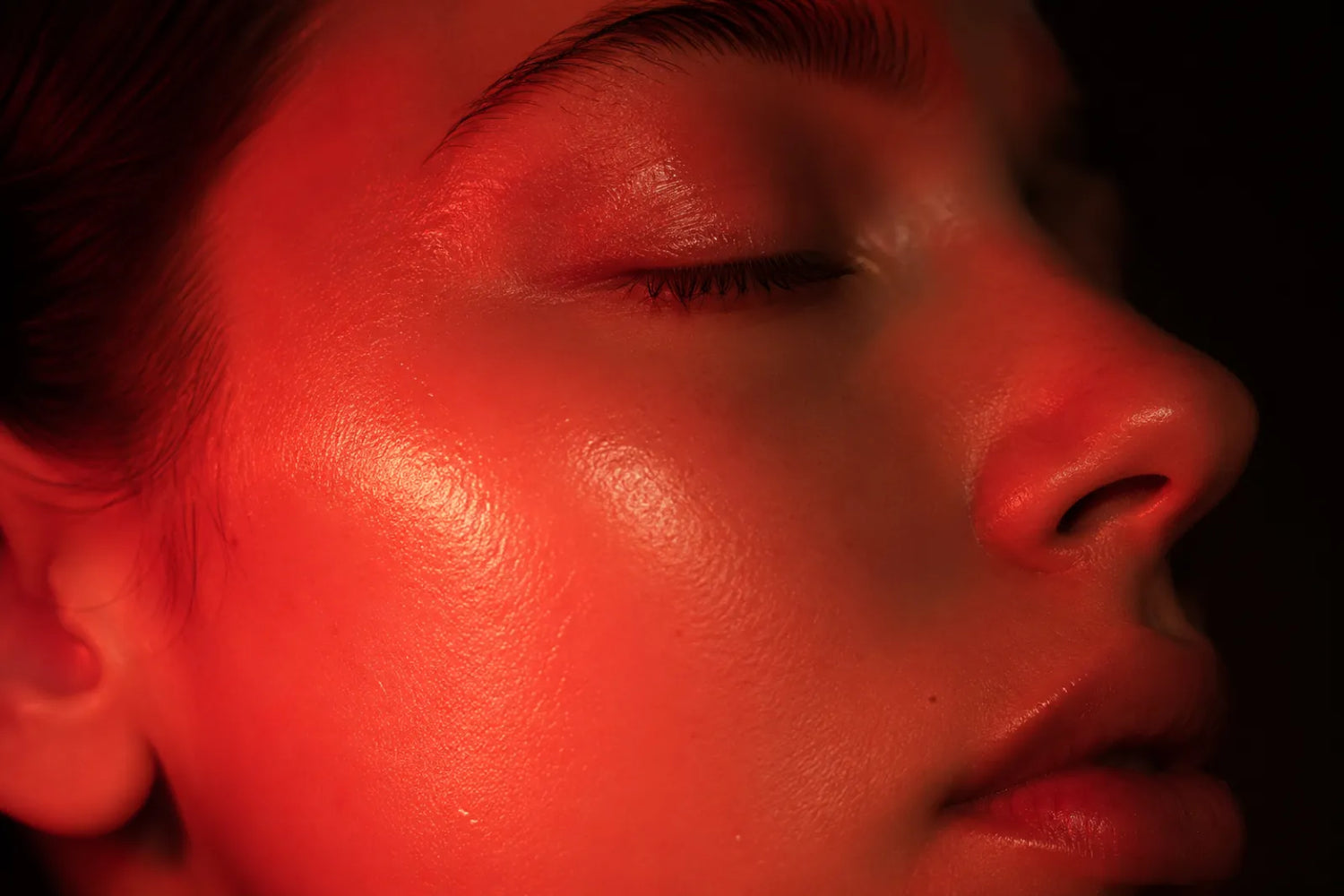
Red light therapy - also called photobiomodulation (PBM) or low-level laser therapy (LLLT) - uses specific wavelengths of light to stimulate biological processes in your cells. Unlike UV light, which damages skin, red and near-infrared (NIR) wavelengths penetrate tissue safely and interact with mitochondria, the energy-producing structures in your cells.
The core mechanism: light at wavelengths around 630-660nm (visible red) and 850nm (near-infrared) is absorbed by a mitochondrial enzyme called cytochrome c oxidase. This triggers a cascade - more ATP (cellular energy) is produced, oxidative stress decreases, and cellular repair accelerates.
That cellular-level response is what drives the benefits researchers are observing across skin, muscle, pain, and even brain health.
What Does the Research Actually Say?
Skin Health and Collagen
This is where the evidence is strongest and most consistent. A major 2025 specialist review confirmed that red light therapy supports collagen synthesis and reduces the visible signs of ageing - including fine lines, skin texture, and tone - with a strong safety profile and minimal side effects.
A Nature article from March 2026 explored why photobiomodulation is attracting serious scientific attention, noting that the volume and quality of skin-focused clinical trials has increased substantially in recent years. Researchers are now confident that wavelengths in the 630-660nm range stimulate fibroblast activity - the cells responsible for collagen and elastin production.
For at-home LED masks, consistency is the critical variable. Studies typically see measurable improvements in skin texture and firmness after 8 to 12 weeks of regular use, several times per week.
Muscle Recovery and Athletic Performance
Multiple clinical trials have investigated red light therapy in athletes, and the results are notable. Research suggests that applying NIR light to muscles before or after exercise may help reduce delayed onset muscle soreness (DOMS), speed up recovery time, and support performance over a training cycle.
UCLA Health highlights muscle recovery as one of five well-supported health benefits, noting that the anti-inflammatory and mitochondrial effects are the likely mechanism. This is one of the reasons elite sports teams have invested in photobiomodulation devices in recent years.
Pain and Inflammation
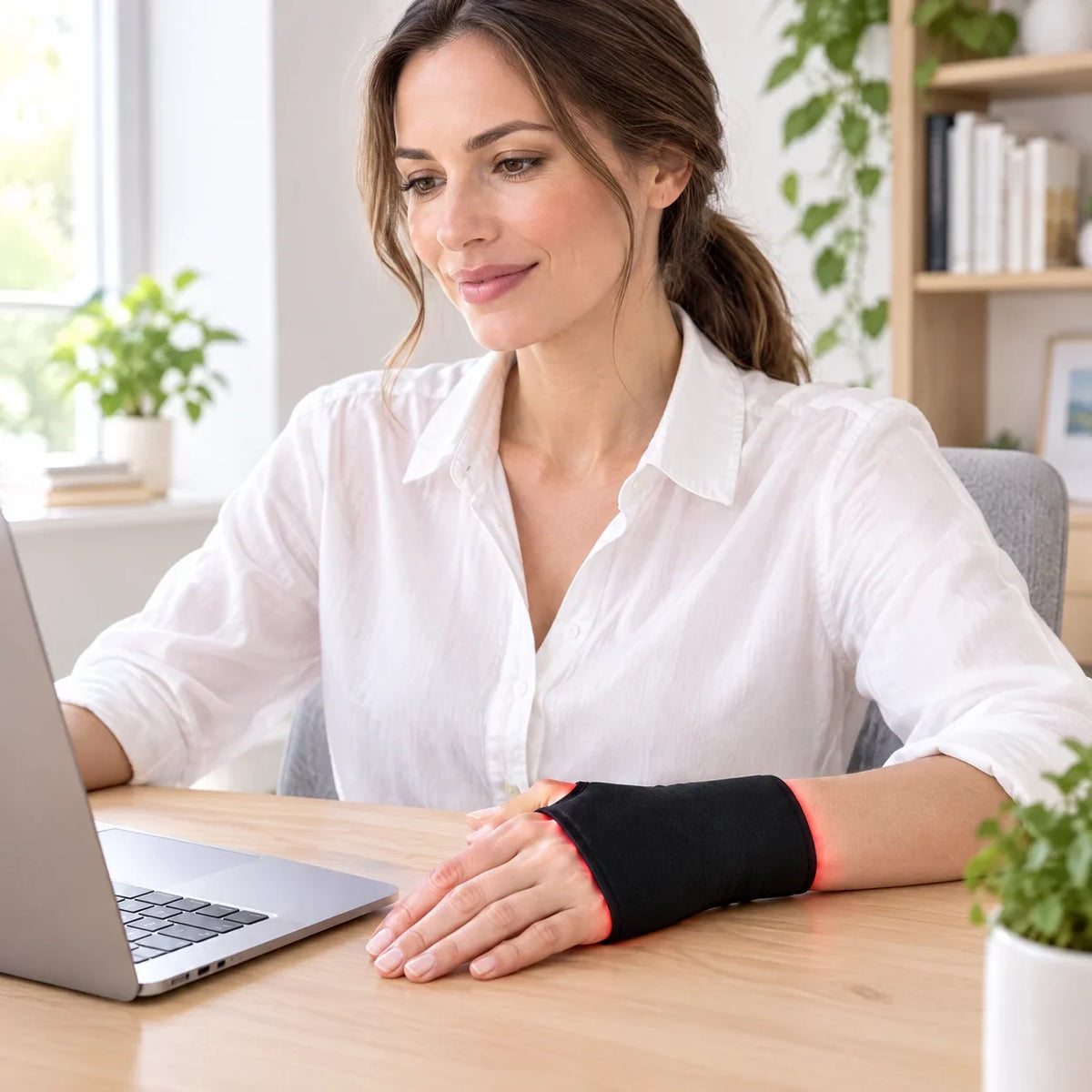
The anti-inflammatory effects of red light therapy have been documented in a range of conditions - including joint pain, arthritis, and soft tissue injuries. Research suggests it may help reduce inflammation by modulating cytokine activity and improving local circulation.
SSM Health's March 2026 review confirms that photobiomodulation for pain management has a credible evidence base, though the authors note - as with all emerging therapies - that more large-scale trials are needed to standardise dosing protocols.
Scientific American offers a balanced assessment: the pain benefits are real and reproducible in controlled settings, but results vary depending on the condition, the device used, and treatment frequency.
Hair Growth
Red light therapy has shown genuine promise for androgenetic alopecia (pattern hair loss) in both men and women. The proposed mechanism is that light stimulates dormant follicles and increases blood flow to the scalp, extending the growth phase of the hair cycle.
A number of randomised controlled trials have demonstrated statistically significant improvements in hair count and density with consistent use over 16 to 24 weeks. It is not a dramatic overnight fix - but the evidence suggests it may meaningfully support hair regrowth when used regularly as part of a broader hair health routine.
Emerging: Brain Health and Neuroprotection
This is the most exciting frontier in photobiomodulation research, and the early results are striking. A January 2026 study from the University of Utah investigated near-infrared light therapy for brain protection in athletes - specifically looking at football players exposed to repetitive head impacts. The study found that specific NIR frequencies may support neuroprotective mechanisms, reducing markers associated with brain injury.
This area is still early-stage and should not be overstated. But the biological rationale is sound - NIR wavelengths penetrate more deeply than red light and can reach brain tissue. Research into photobiomodulation for cognitive function, mood, and neurological conditions is accelerating, and the coming years are likely to bring more robust clinical data.
How Long Before You See Results?
Expectations matter here, and it is worth being direct: red light therapy is not an overnight solution for anything.
For skin benefits - improved tone, texture, and reduction in fine lines - most clinical studies observe meaningful changes after 4 to 8 weeks of consistent use, typically 3 to 5 sessions per week. Some people notice improvements in skin brightness and hydration within the first two weeks; collagen remodelling takes longer.
For pain and inflammation, some users report relief within a handful of sessions. For hair growth, you are looking at a minimum of 16 weeks before meaningful assessment is possible.
The single biggest predictor of results is consistency. Sporadic use will not deliver the cellular benefits that regular, sustained use produces. Think of it like exercise - the compounding effect over weeks and months is where the value lies.
What to Look For in a Device
Not all red light therapy devices are equal, and wavelength is the most important spec to understand.
Red light (630-660nm): Works primarily on the skin's surface. This is the wavelength most associated with collagen production, skin texture improvement, and wound healing.
Near-infrared (850nm): Penetrates deeper into tissue - reaching muscles, joints, and potentially bone. This is the wavelength linked to muscle recovery, inflammation reduction, and the emerging brain health research.
A device that includes both wavelengths gives you the full therapeutic range. A device with only one wavelength will be more limited in scope.
Beyond wavelength, look for:
- CE certification - confirms the device has been assessed against European safety and performance standards
- UKCA or CE marking - confirms the device meets UK and European market safety requirements
- Evidence-backed design - does the brand cite research, or just marketing language?
- Consistent output - the ability to use it regularly matters more than any single session specification
At Home vs Clinic - Is It Worth It?
Professional red light therapy treatments at a clinic or medi-spa typically cost £50-£150 per session. A course of 10-12 treatments - the minimum recommended for meaningful skin results - represents a significant investment, often £600-£1,500 or more.
A quality at-home device represents a one-time cost that pays for itself within a few months of regular use. More importantly, it enables the consistency that drives results. You are far more likely to use a device three to five times a week if it is sitting on your bathroom shelf than if each session requires booking, travelling, and paying for a clinic appointment. For full-body and muscle recovery work, a panel device like the Lumovex Pro Panel 540 is designed to cover larger treatment areas - back, chest, legs - in a single standing session.
The clinical advantage used to be device power - professional machines are more powerful than at-home devices. But the gap has narrowed considerably. Modern consumer LED masks and panels are now designed to deliver therapeutic wavelengths effectively for home use, and the research on at-home devices is growing.
For most people - especially those focused on skin health, facial rejuvenation, or general wellness - a quality at-home device is the better long-term value proposition.
The Bottom Line
Does red light therapy work? The science says: yes, in several well-studied areas, with realistic expectations and consistent use.
The evidence for skin health and collagen is strong. The evidence for muscle recovery, pain management, and hair growth is credible and growing. The emerging research on brain health is early but genuinely exciting. No reputable source claims it cures or treats disease - but the research clearly supports its role as a useful tool for recovery, skin health, and overall wellness.
The key is choosing a device with the right wavelengths, using it consistently, and giving it enough time to work.
If you are ready to start, the Lumovex Spectrum Pro Mask delivers both 630-660nm red and 850nm near-infrared wavelengths in a CE Certified device - designed for daily use at home. Prefer to weigh up the options first? Compare our best red light therapy devices to find the format that fits your goal.
Lumovex devices are CE Certified. Red light therapy is a wellness technology. This article is for informational purposes and does not constitute medical advice. If you have a medical condition, consult a qualified healthcare professional.



Leave a comment
This site is protected by hCaptcha and the hCaptcha Privacy Policy and Terms of Service apply.